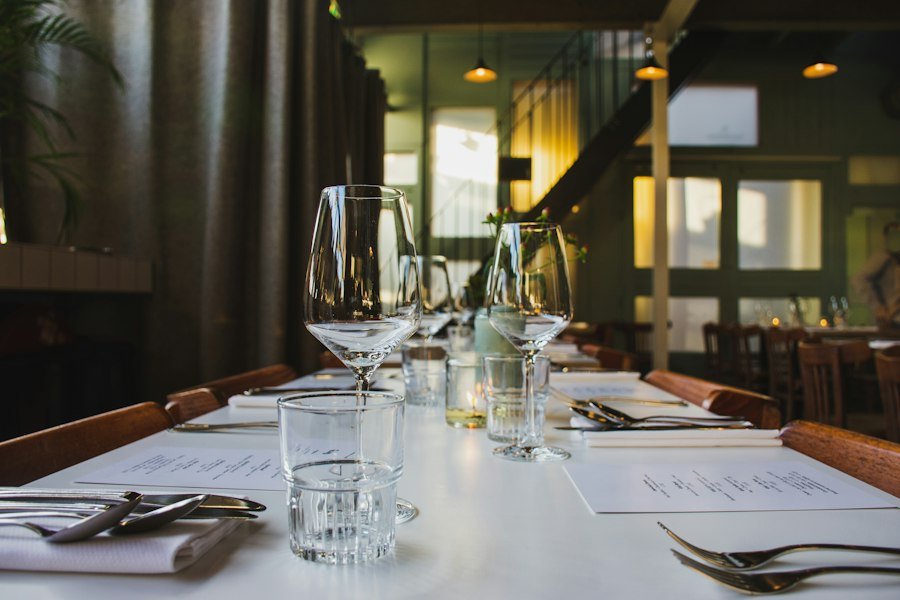
The best way to explore restaurants in Qatar is by area: Souq Waqif for Qatari and Middle Eastern food, Katara and The Pearl for waterfront dining, Msheireb and Lusail for newer casual spots, and the West Bay hotels for fine dining, brunch and licensed venues. This guide explains which Qatari dishes to order, what each dining area is like, how much you can expect to spend, and the local customs that matter, from Ramadan to tipping.
Qatari and Gulf dishes to try
Qatari food shares a lot with the rest of the Gulf: rice and meat cooked with warm spices, slow-cooked wheat dishes, dates and plenty of sweet tea. These are the dishes worth looking for on a menu.
- Machboos: the national rice dish. Chicken, lamb or fish is cooked together with rice in a spiced broth, typically fragrant with cardamom, saffron and dried lime. It is a common family meal on Fridays and at celebrations.
- Harees: wheat and meat cooked slowly until they break down into a smooth, porridge-like dish. It is especially popular during Ramadan and Eid.
- Thareed: a stew of lamb or chicken with vegetables, poured over thin flatbread (khubz) that soaks up the broth. Another Ramadan favourite.
- Madrouba: rice and meat cooked until creamy, often finished with lemon.
- Balaleet: a sweet and savoury breakfast of vermicelli spiced with cardamom and saffron, topped with an omelette.
- Luqaimat: small fried dough balls, crisp outside and soft inside, drizzled with date syrup or honey and sometimes sesame seeds.
- Karak: strong black tea boiled with cardamom and evaporated or condensed milk, served in small cups. It is the everyday drink of Qatar and costs very little at roadside cafeterias.
- Gahwa: light Arabic coffee flavoured with cardamom, usually poured in small cups and served with dates.
The main dining areas in Doha and beyond
Doha’s restaurant scene is spread across a handful of districts, each with a different feel. Choosing the area first makes it much easier to decide where to eat in Doha.
Souq Waqif
Souq Waqif is the restored traditional market in central Doha and the most popular place to try Qatari, Levantine, Moroccan, Persian and Yemeni food. Most restaurants have outdoor seating along the lanes, and it is busiest in the evenings and on weekends when the weather is cooler. Two examples that come up often: Argan, a Moroccan restaurant in the souq that holds a Bib Gourmand in the MICHELIN Guide Doha 2026 selection, and Shay Al Shamoos (spellings vary), a small Qatari breakfast spot known for balaleet and regag bread. Souq Waqif restaurants are generally unlicensed, so expect fresh juices, mint lemonade and tea rather than alcohol.
Msheireb Downtown Doha
Next to the souq, Msheireb Downtown Doha is a modern, walkable district with cafés, casual restaurants and hotel dining. It suits coffee meetings, lunch breaks and evening walks, and it is easy to reach by the Doha Metro at Msheireb station.
Katara Cultural Village
Katara Cultural Village combines cultural venues, a public beach and a long strip of restaurants facing the sea. You will find Turkish, Lebanese, Indian, Asian and international cuisines, plus cafés and dessert shops. It works well for families and for dinner after an exhibition or event. When people search for Katara restaurants, they usually mean this seafront row and the eateries around the amphitheatre.
The Pearl and Porto Arabia
The Pearl Qatar is a man-made island with marina promenades lined with restaurants, especially around Porto Arabia and Qanat Quartier. Expect international chains, steakhouses, cafés and terraces with marina views. It is popular with residents who live on the island and for relaxed weekend dinners.
Lusail Boulevard and Place Vendôme
Lusail, north of Doha, is the newest dining destination. Lusail Boulevard has cafés and restaurants at street level and is lively during events and holidays, while the Place Vendôme mall has a large selection of restaurants and cafés, many of them overlooking its canal. It is a good choice if you want many options in one place, with parking and air conditioning.
West Bay hotels
The towers of West Bay hold many of Doha’s large hotels, and these hotels host a big share of the city’s fine dining, international chef brands, rooftop lounges and licensed restaurants. This is also where many Friday brunches take place. If you are choosing a hotel, our guide on where to stay in Doha explains how each area suits different trips.
Al Wakrah Souq
South of Doha, Al Wakrah Souq is a quieter traditional market by the sea, with seafood grills, Arabic restaurants and cafés. It is a pleasant evening trip away from central Doha, especially in the cooler months.
Comparison of Qatar’s dining areas
| Area | Best for | Typical cuisines | Price level | Atmosphere |
|---|---|---|---|---|
| Souq Waqif | Qatari and Arabic food, visitors | Qatari, Levantine, Moroccan, Persian, Yemeni | Low to mid | Traditional, busy in the evenings |
| Msheireb Downtown | Cafés, casual lunches | International, cafés, Arabic | Mid | Modern and walkable |
| Katara Cultural Village | Families, seafront dinners | Turkish, Lebanese, Asian, international | Mid to high | Cultural, by the beach |
| The Pearl / Porto Arabia | Marina views, weekend dinners | International, steakhouses, cafés | Mid to high | Upmarket marina promenade |
| Lusail Boulevard / Place Vendôme | Lots of choice in one place | Chains, cafés, international | Mid | New, event-driven, mall dining |
| West Bay hotels | Fine dining, brunch, licensed venues | French, Japanese, Italian, Indian, steak | High | Formal, hotel-based |
| Al Wakrah Souq | Seafood, a quieter evening | Seafood, Arabic | Low to mid | Relaxed seaside souq |
Award-listed restaurants and museum dining
Doha now has its own MICHELIN Guide. The second edition, MICHELIN Guide Doha 2026, was announced in December 2025 and lists three one-star restaurants (Alba, IDAM by Alain Ducasse and Jamavar), eight Bib Gourmand restaurants and a wider group of selected restaurants. A few are inside cultural landmarks: IDAM is at the Museum of Islamic Art, and Jiwan, a Bib Gourmand holder, is inside the National Museum of Qatar. Jamavar is at the Sheraton Grand Doha. The guide is updated each year, so check the current list on the MICHELIN Guide website before booking.
Eating on a budget
Qatar can be expensive in hotels, but everyday food is affordable if you eat where residents do.
- Cafeterias: small neighbourhood cafeterias across Doha sell karak, sandwiches, parathas, fresh juices and snacks at low prices. Many offer car-side service, where you order without leaving the car.
- Shawarma and grills: chicken and meat shawarma, falafel and mixed grills are widely available in every district.
- South Asian restaurants: areas such as Al Sadd, Najma and the old centre have many Indian, Pakistani, Sri Lankan and Filipino restaurants with generous portions at modest prices.
- Mall food courts: every large mall has a food court with local and international chains, useful in summer when outdoor dining is uncomfortable.
Hotel dining, brunch and licensed venues
Alcohol is only served in licensed venues, which in practice means mostly restaurants and bars in hotels and some hotel-managed clubs. Standalone restaurants outside hotels, including those in Souq Waqif, are generally unlicensed. You need to be 21 or over to drink in a licensed venue and should carry ID. Being drunk in public is an offence, so plan transport home.
Friday brunch
Friday is the main weekend day in Qatar, and hotel brunch is a firm part of expat social life. Brunches usually run from around midday into the afternoon and are sold as fixed-price packages, with soft-drink and alcoholic packages at licensed hotels. Prices, themes and timings change often, so check the hotel’s own website or social media before you go, and book ahead in the cooler months.
Eating out during Ramadan
Ramadan changes the rhythm of dining in Qatar for a month.
- Daytime rules: eating, drinking and smoking in public during fasting hours is not allowed and can lead to a fine or imprisonment under Qatari law. Non-Muslims are not expected to fast but should be discreet.
- Where you can eat during the day: many hotel restaurants continue to serve breakfast and lunch to guests and non-fasting diners, often in screened areas. Delivery and takeaway to eat at home or at work (in private) are also common. Timings vary, so call ahead.
- Iftar: the meal at sunset that breaks the fast, usually beginning with dates, water or laban and soup, followed by dishes such as harees and thareed. Hotels set up large iftar buffets and Ramadan tents.
- Suhoor: the late-night meal before dawn. Many restaurants and cafés stay open late, and some hotels run suhoor menus well past midnight.
- Alcohol: licensed venues typically stop serving alcohol during Ramadan. Check with the venue.
Food delivery apps
Delivery is very popular in Qatar, particularly in the hot summer months. The two most widely used apps are Talabat and Snoonu, which cover restaurants, groceries and pharmacies in most parts of Doha and beyond. Fees, delivery zones and minimum orders vary by restaurant and by app, and both regularly run promotions, so it is worth comparing before you order. Many restaurants also take orders directly by phone or WhatsApp.
Tipping and service charges
Tipping is not compulsory in Qatar, but it is appreciated. Some restaurants, especially in hotels, add a service charge to the bill, so check the receipt before adding more. Where no service charge is included, a tip of around 10 to 15% in sit-down restaurants is a common guideline according to travel guides such as Lonely Planet. At cafeterias and for delivery riders, rounding up or leaving a few riyals is normal. Paying by card is accepted almost everywhere, though some small cafeterias prefer cash.
Quick checklist
- Decide on the area first: Souq Waqif for Qatari food, West Bay hotels for fine dining and brunch, Katara or The Pearl for waterfront meals.
- Order at least one Qatari dish: machboos, harees, thareed or balaleet, and finish with luqaimat and karak.
- Only expect alcohol in licensed hotel venues, and carry ID.
- Book ahead for Friday brunch and for popular restaurants in winter.
- In Ramadan, do not eat or drink in public during fasting hours; use hotels, delivery or eat in private.
- Check the bill for a service charge before tipping.
- Use Talabat or Snoonu for delivery, and compare fees.
- Browse the restaurants in Qatar directory for contact details and locations.
Looking for somewhere specific to eat? Browse our directory of restaurants in Qatar by area and cuisine to find phone numbers, maps and opening details.
Frequently asked questions
What is the national dish of Qatar?
Machboos, a spiced rice dish cooked with chicken, lamb or fish, is widely regarded as Qatar’s national dish. Harees and thareed are also traditional and are especially popular in Ramadan.
Where can I try Qatari food in Doha?
Souq Waqif is the easiest place to start, with many restaurants serving Qatari and Gulf dishes and traditional breakfasts. Some hotels and museum restaurants also serve modern Qatari menus.
Do restaurants in Qatar serve alcohol?
Only licensed venues, mainly restaurants and bars in hotels, can serve alcohol. Most standalone restaurants, including those in Souq Waqif, Katara and malls, are unlicensed. You must be 21 or over.
Are restaurants open during the day in Ramadan?
Many restaurants close during daylight hours or offer takeaway and delivery only, while a number of hotel restaurants serve food during the day, often in screened areas. Eating or drinking in public during fasting hours is not permitted.
Does Doha have Michelin-starred restaurants?
Yes. The MICHELIN Guide Doha 2026 lists three one-star restaurants, Alba, IDAM by Alain Ducasse and Jamavar, along with Bib Gourmand and selected restaurants. The list is reviewed each year.