

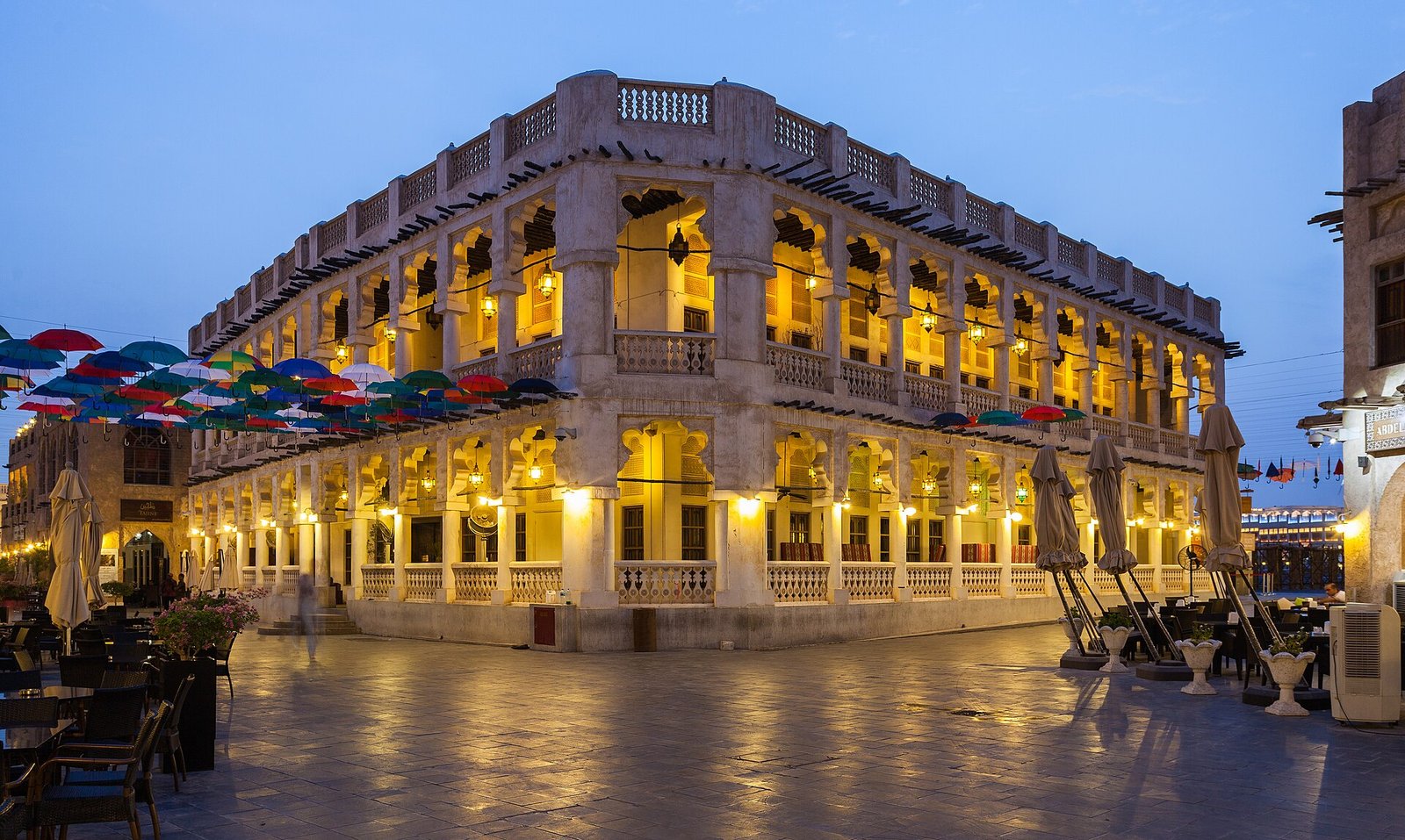
Souq Waqif, Doha
Souq Waqif is Doha's best-known traditional market. It is free to enter and full of spice stalls, craft shops, falcons, cafés and restaurants, and it is at its liveliest in the evening.
Old Doha
Overview
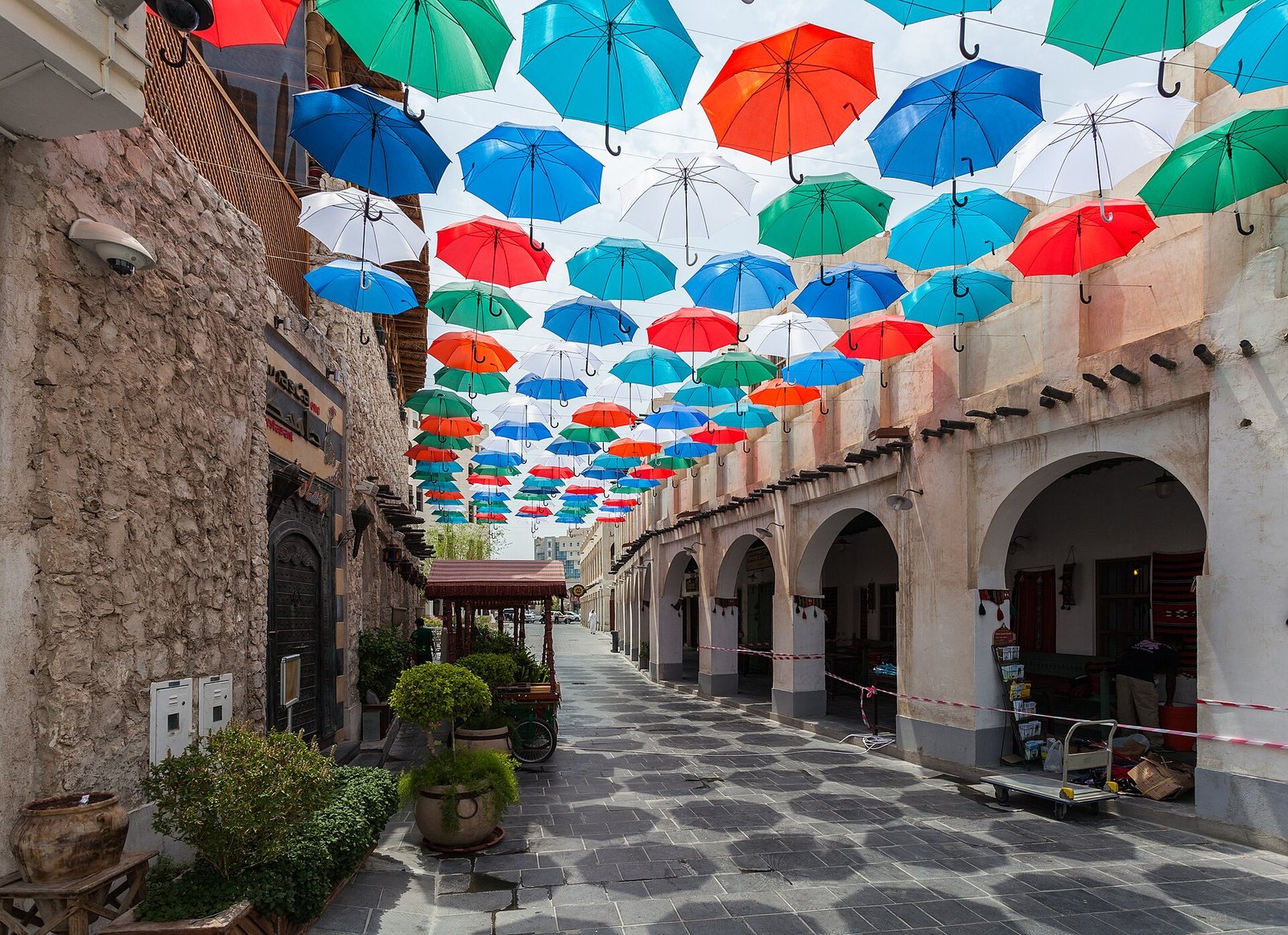
Souq Waqif is a maze of narrow lanes, covered passages and open squares in the centre of Doha, close to the Corniche. It began as a trading market more than a century ago and was rebuilt in a traditional style in the 2000s. Today you can buy spices, perfume, textiles, gold, handicrafts and souvenirs, and see falcons, horses and camels.
For most visitors it is the easiest way to get a feel for older Doha. The souq is free to enter and works well on any budget. You can shop and haggle, sit at a pavement café with Arabic coffee, or eat Qatari, Iranian and other regional dishes. Evenings are best, when the heat drops, the lights come on and families fill the squares.
History and background
Souq Waqif grew up beside Wadi Musheireb, a dry riverbed where Bedouin and local traders met to sell goods. Its name means "the standing market", a reference to traders who stood to show their wares. The market has existed on this site for at least a century.
Over the decades the area was altered and partly rebuilt with modern structures. After a fire in 2003 destroyed much of the souq, the government launched a restoration programme that ran from 2006 to 2008. Buildings added after the 1950s were removed, and the lanes were rebuilt using traditional materials and methods to reflect Qatari architecture of the late 19th and early 20th centuries.
The result is a working market rather than a museum. It now includes boutique hotels, an art centre, a theatre and the Souq Waqif Falcon Hospital. The souq drew large crowds during the 2022 FIFA World Cup and remains one of Doha's main gathering places.
What to see at Souq Waqif
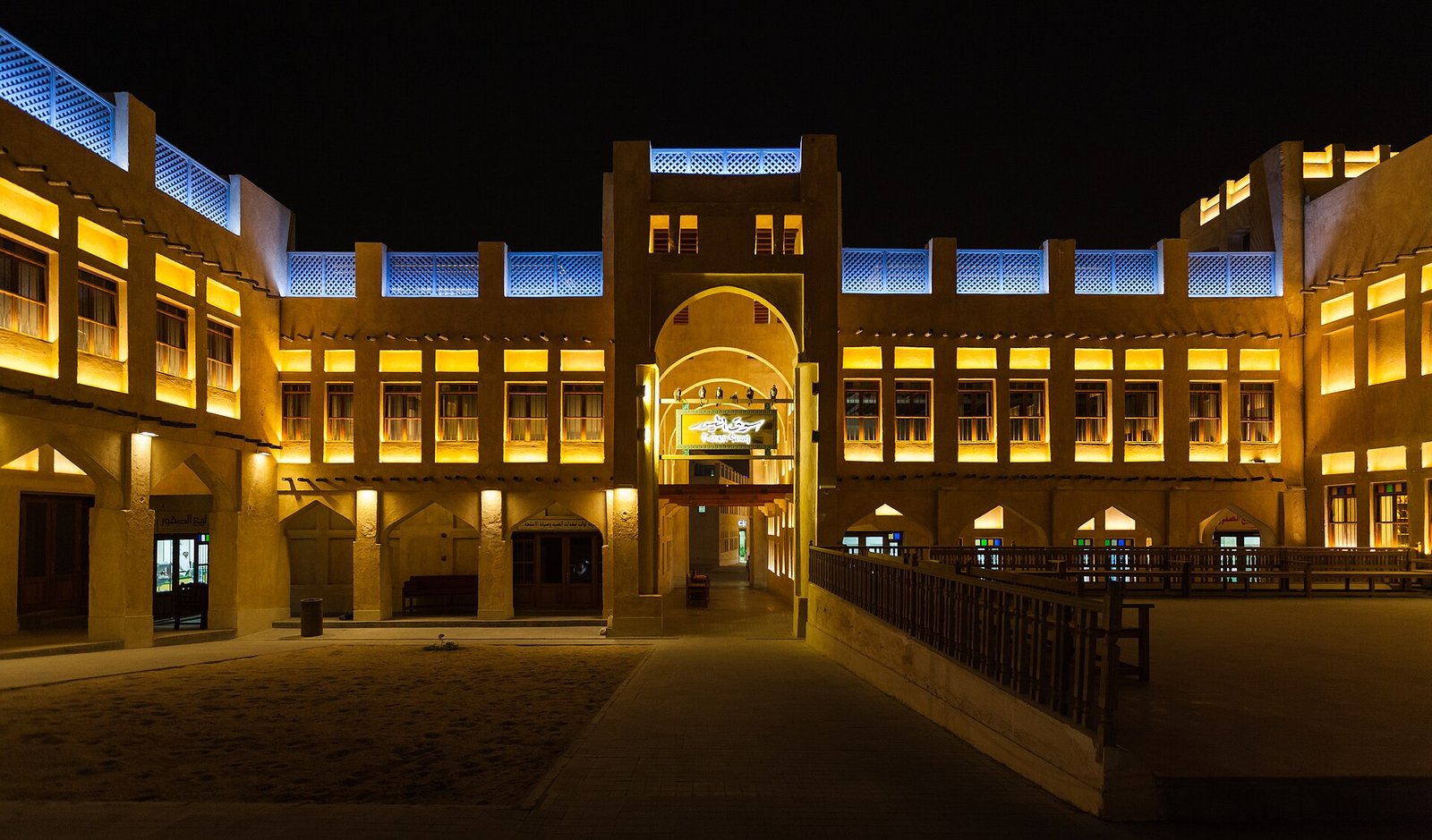
Falcon Souq
A dedicated section where you can see trained falcons, browse hoods and equipment, and sometimes hold a bird under supervision. Always ask the handler first. The Souq Waqif Falcon Hospital, on the northern side of the souq, treats falcons.
Spice market
Stalls are piled with saffron, sumac, za'atar, dried flowers, dates, honey and coffee. Traders will usually let you smell before buying, and small packets make light souvenirs to carry home.
Gold Souq
Jewellery shops sell traditional Gulf pieces, such as elaborate headpieces and layered necklaces, alongside everyday gold items. Prices depend on weight and the day's gold rate, so compare a few shops.
Horses and camels
The souq has stables for Arabian horses and pens for camels. Watch the mounted heritage police on patrol, and ask locally if you would like a short ride.
Souq Waqif Art Center
A set of small galleries and studios showing work by Qatari and visiting artists. It is a quiet break from the busy lanes and a good place to find locally made art.
Cafés and restaurants
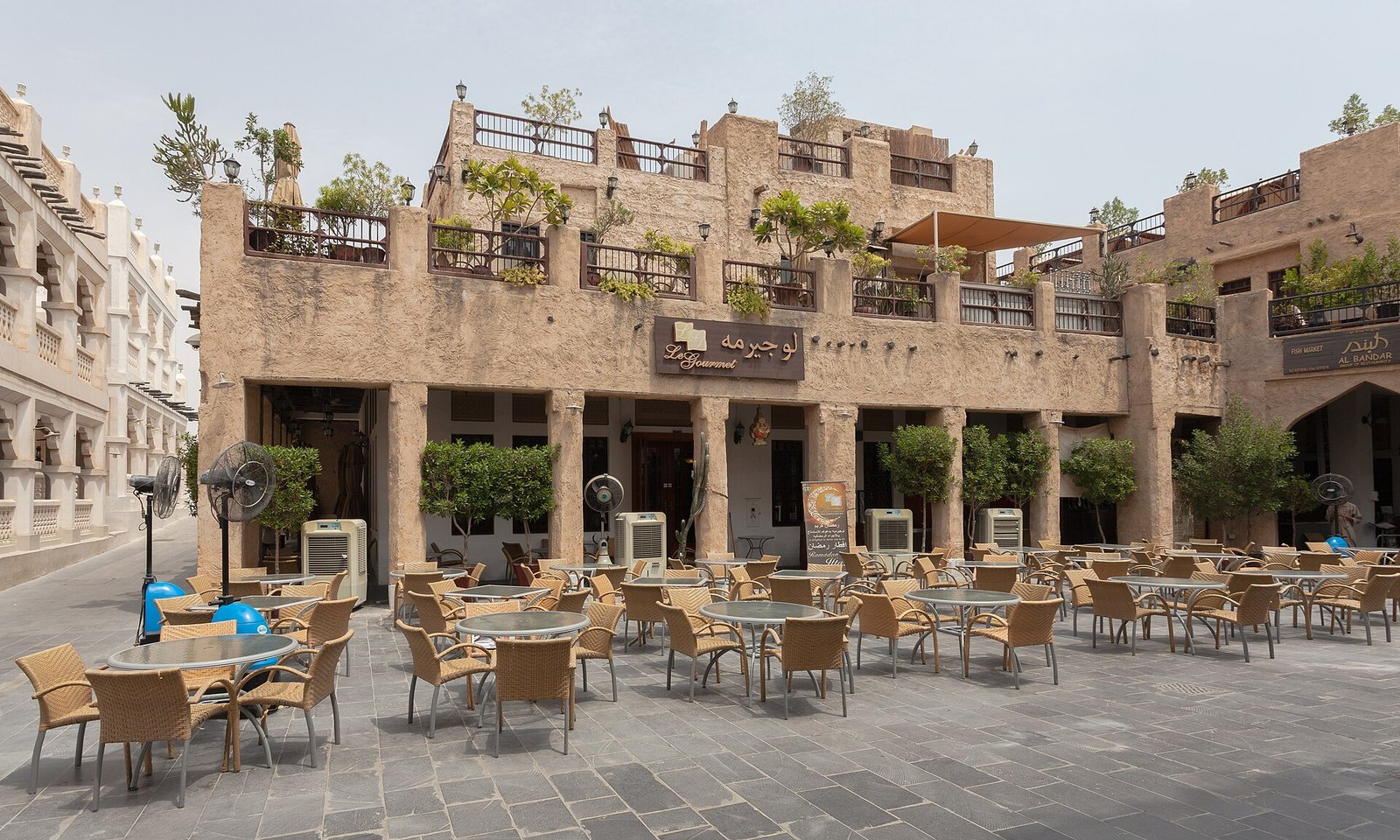
Pavement cafés serve Arabic coffee, fresh juice and shisha. Restaurants cover Qatari, Iranian and other Middle Eastern cuisines, plus street snacks and sweets. Parisa is known for its mirrored interior.
Al Koot Fort and Pigeon Square
Al Koot Fort, built in 1927, is a historic landmark at the edge of the souq. Nearby Pigeon Square and its garden are popular with families and children.
How to get to Souq Waqif
Tips for your visit
- Many shops close from about 1pm to 4pm. Come in the morning or after 4pm if you want to shop.
- Haggling is normal at many stalls, so feel free to negotiate, but stay polite and friendly.
- Carry some cash in Qatari riyals for small purchases at stalls and cafés.
- Ask before photographing people, falcons or their handlers.
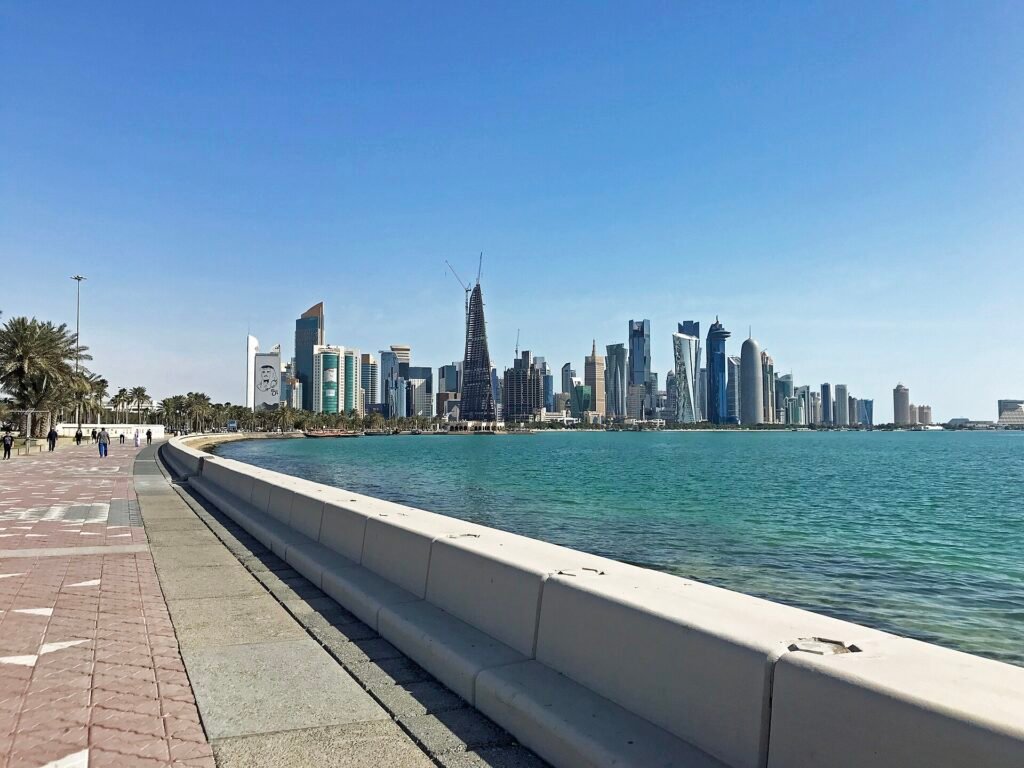
- Pair your visit with a walk along the Corniche or to the Museum of Islamic Art nearby.
- During Ramadan, shops open after iftar and stay open late, and the atmosphere is special.
Facilities
Frequently asked questions
What are Souq Waqif's opening hours?
Most shops open from about 9am to 1pm and again from 4pm to 10pm, Saturday to Thursday. On Friday they open in the afternoon only, from around 4pm. Restaurants and cafés usually stay open until 11pm or midnight. Hours change during Ramadan, when shops reopen after iftar.
Is Souq Waqif free to enter?
Yes. There is no entry fee for the souq, the Falcon Souq or the public squares. You only pay for what you buy, eat or book, such as meals, souvenirs or a camel or horse ride. Parking in the underground car park is charged at standard rates.
How do I get to Souq Waqif by metro?
Take the Doha Metro Gold Line to Souq Waqif station, which opened in November 2019. The souq is a short walk from the station. If you start on the Red or Green Line, change to the Gold Line at Msheireb station.
How long should I spend at Souq Waqif?
Two to three hours is enough to walk the main lanes, visit the Falcon Souq and spice stalls, and have coffee. If you want dinner, shopping time and a look at the stables and art centre, set aside a full evening.
What should I wear to Souq Waqif?
Qatar's tourism authority recommends covering your shoulders and knees in public places. Light, loose clothing works best in the heat. Comfortable shoes are useful because the lanes are uneven in places and you will do a lot of walking.
Last checked September 2026. Hours and prices can change, so confirm on the official website before you go.
More places nearby
See all 32 places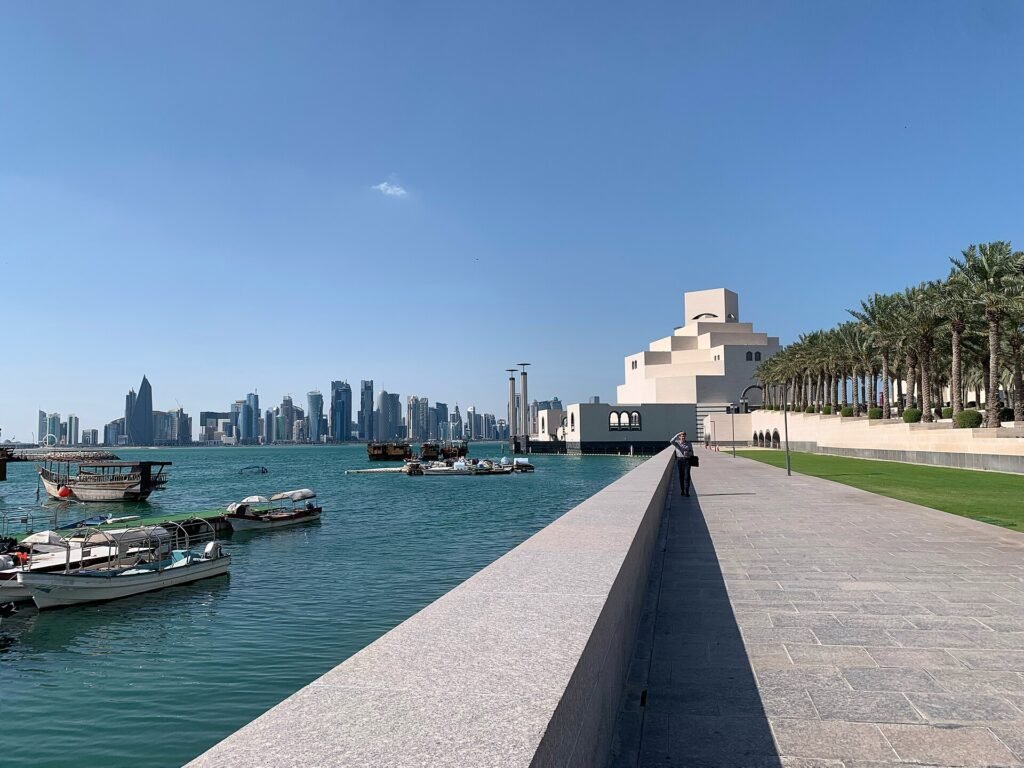
Own a business near Souq Waqif?
List it free on Companies in Qatar and get found by visitors and residents searching nearby.