

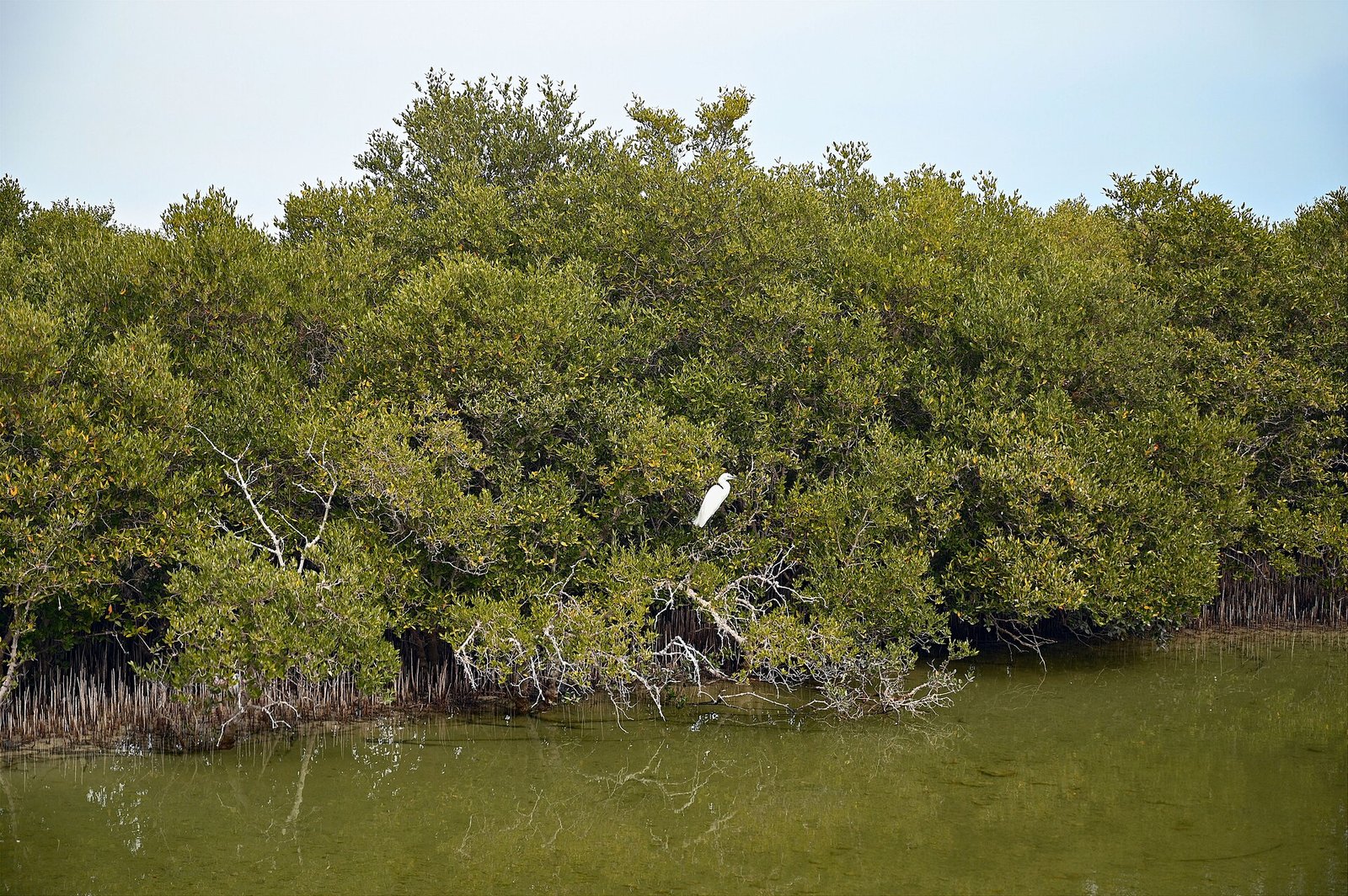
Al Thakira Mangroves, Al Khor
Qatar's densest mangrove forest lines the shallow coast at Al Thakhira, north of Al Khor. Paddle its calm channels by kayak and look out for herons and flamingos.
Al Thakhira, Al Khor
Overview
The Al Thakira (Al Thakhira) mangroves grow along the coast between Al Thakhira and Al Khor, about an hour's drive north of Doha. They form the largest and densest mangrove habitat in Qatar and part of a nature reserve created in 2006. Shallow creeks wind through the trees, and the water is calm and sheltered. There is no entry fee, but there are few facilities.
Most visitors come to kayak or paddleboard with a local tour company. It is an easy trip for beginners and children. You glide past mangrove roots, crabs and small fish, and in winter you may see flamingos, herons and egrets. The nearby Al Thakhira beach is good for a picnic or a swim afterwards. Go in the cooler months and plan around the tide.
History and background
Al Thakhira is a small coastal town in Al Khor municipality. It was settled in the mid-18th century by families who lived from pearl diving and fishing, and it remains a quiet fishing community today.
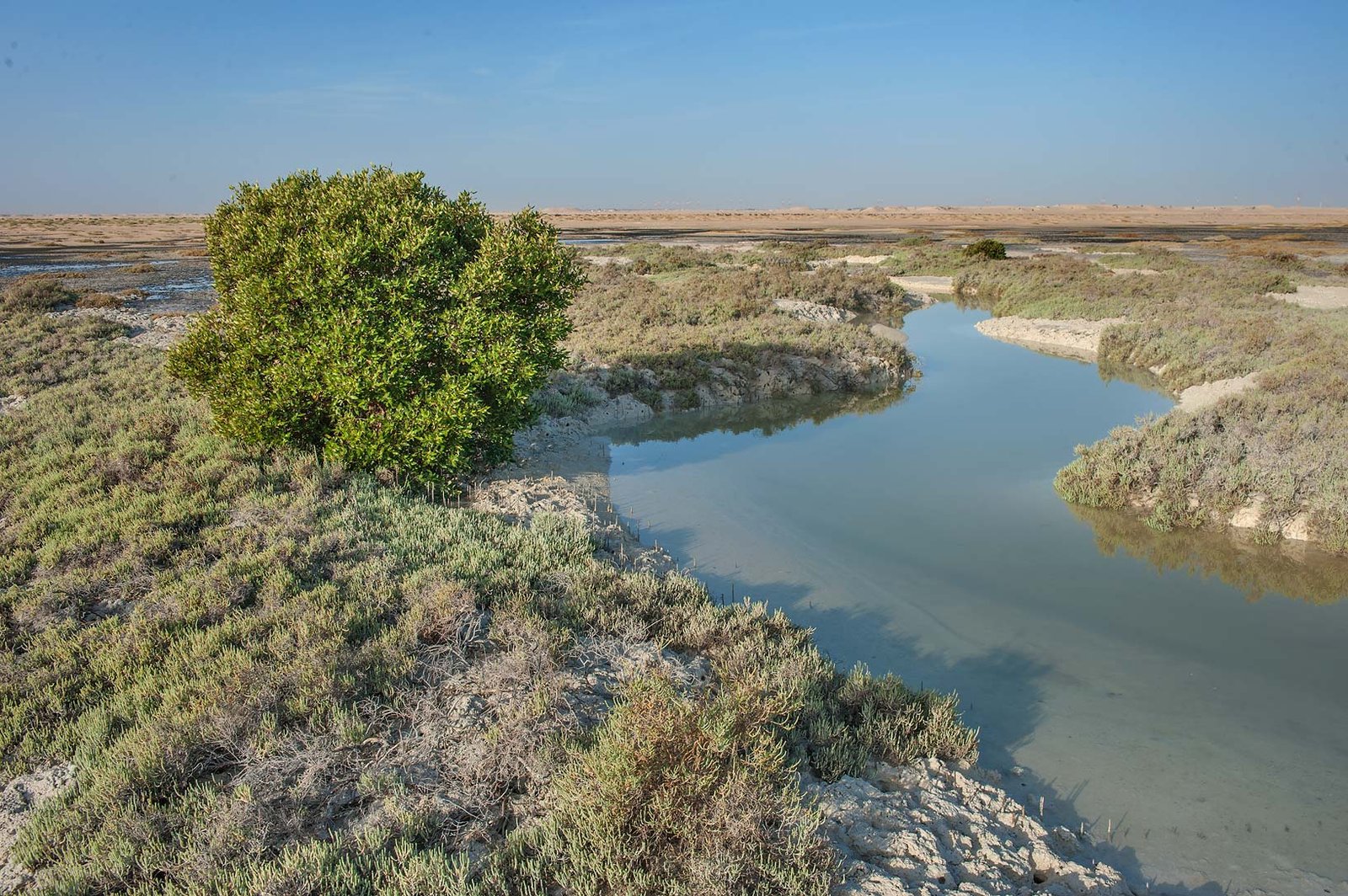
The coast between Al Thakhira and Al Khor holds about 1,400 hectares of mangroves, mostly the grey mangrove (Avicennia marina), which copes with very salty water and extreme summer heat. In 2006 the area was declared the Al Thakhira Nature Reserve, which covers around 14 square kilometres of mangroves, coast, wadis and salt flats.
The mangroves act as a nursery for fish and shrimp, protect the shore from erosion and store carbon. They are an important stop for migrating birds, and sea turtles nest on nearby beaches in season. Their health depends on visitors staying off the roots and keeping the water clean.
What to see at Al Thakira Mangroves
Kayaking the channels
The classic experience. Guided tours of about 1.5 to 2 hours follow narrow creeks through the trees. The water is flat and shallow, so no experience is needed, and guides handle kit and safety briefings.
Stand-up paddleboarding
Several operators offer paddleboard tours on the same channels. Standing gives a better view over the roots and into the clear shallow water, though balance is harder when the wind picks up.
Flamingos and waders
In winter, flamingos, herons, egrets and cormorants feed in the shallows. Early morning is best. Keep a respectful distance and paddle slowly so the birds are not disturbed.
Life in the roots
Look down to see crabs, small fish and shellfish among the breathing roots that poke out of the mud. At low tide, crab burrows cover the salt marsh.
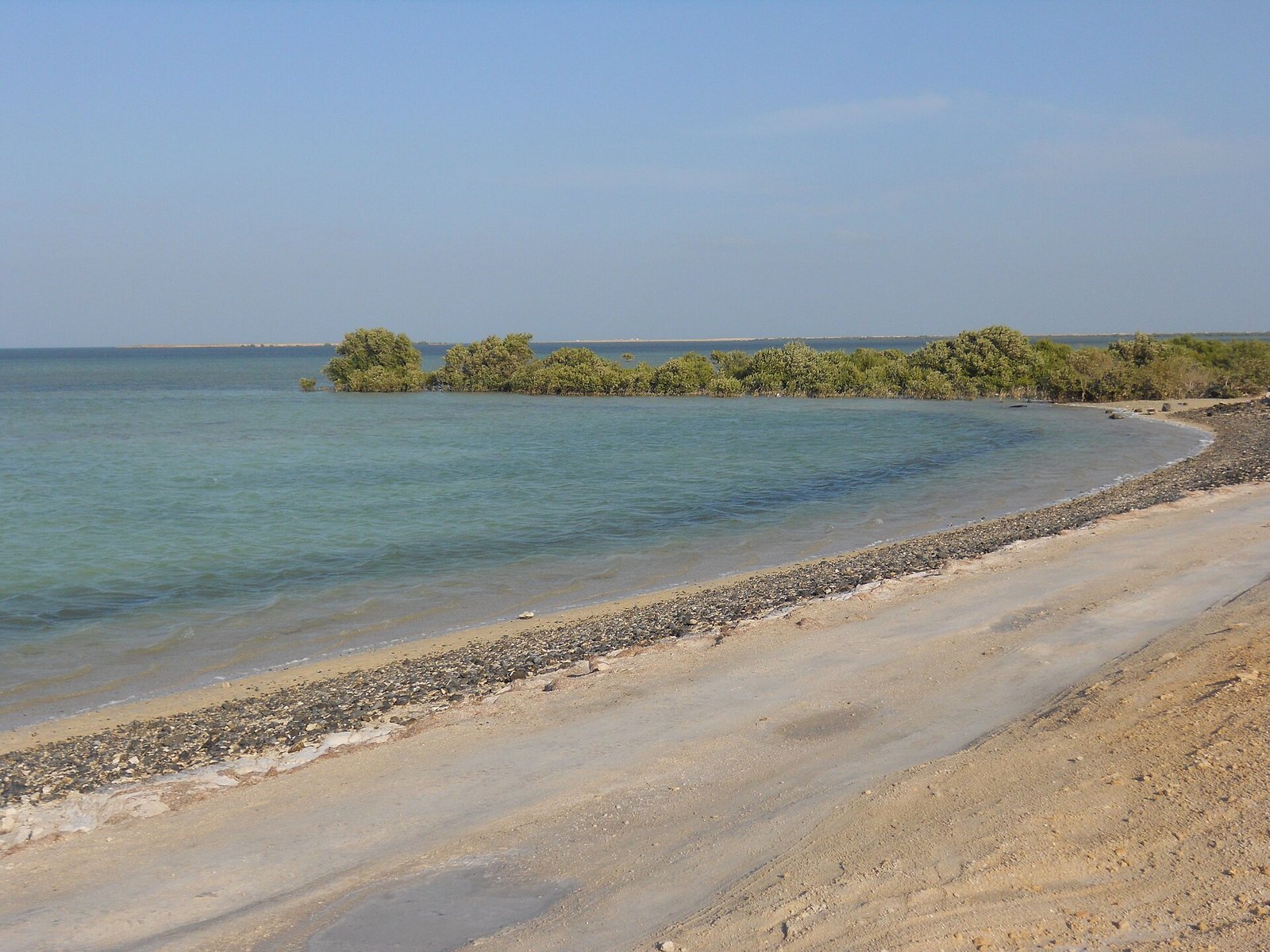
Al Thakhira beach
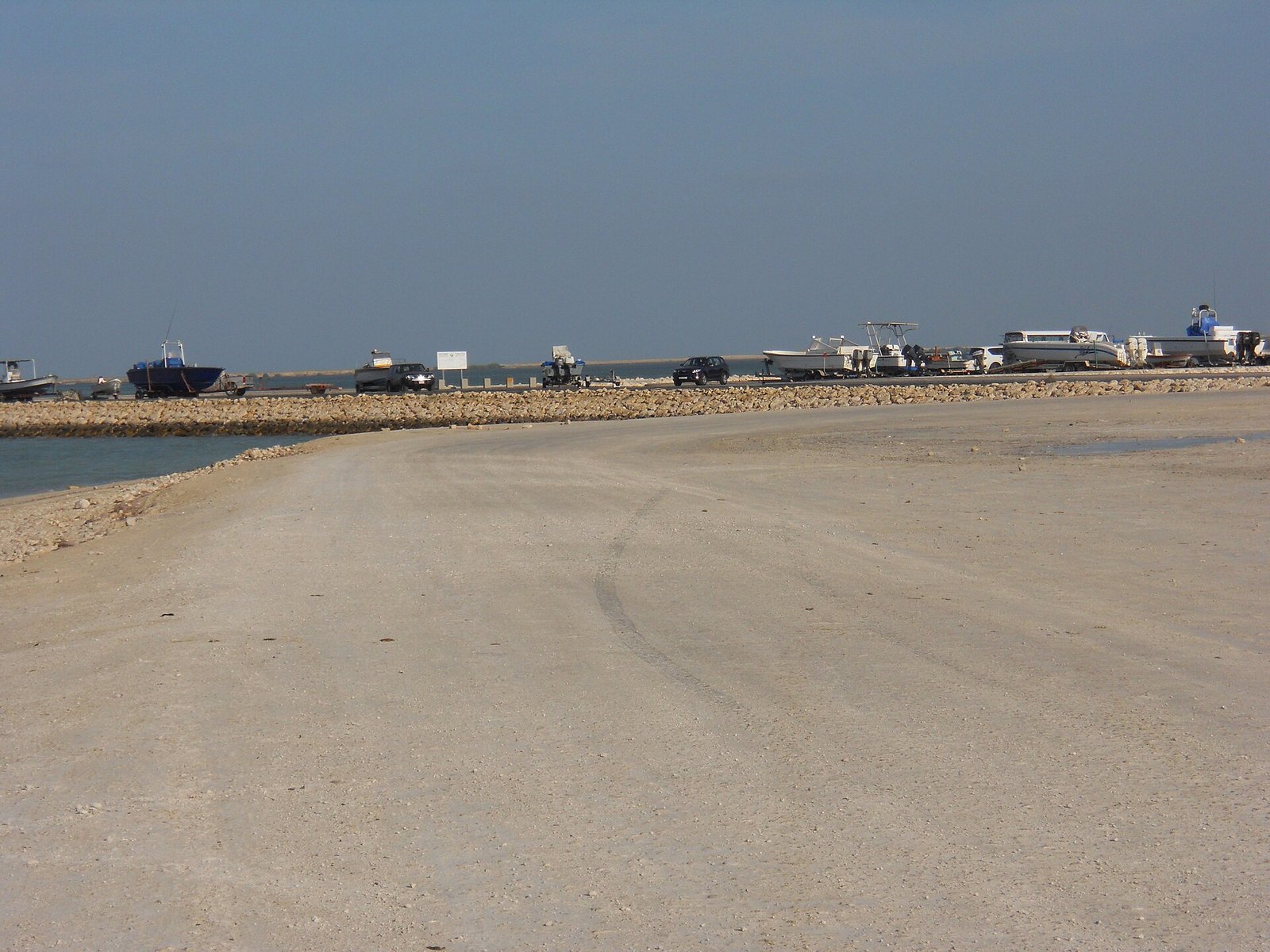
The nearby shoreline is used for picnics, swimming, fishing and relaxing after a paddle. It is a simple public beach, so bring what you need.
Sunrise and sunset light
Low sun over the water and the dark green trees makes this one of the most photogenic natural spots in Qatar. Sunset tours are popular in the cooler months.
How to get to Al Thakira Mangroves
Tips for your visit
- Book a kayak tour in advance; operators time trips to the tide.
- Go at or near high tide; at low tide some channels become too shallow to paddle.
- Never stand or walk on mangrove roots.
- Bring a hat, sunscreen, water and a change of clothes.
- Wear water shoes or sandals, not flip-flops.
- Toilets are limited; use facilities in Al Khor before you arrive.
- Visit from October to April; summer paddling is only comfortable very early.
Facilities
Frequently asked questions
Where are the Al Thakira mangroves?
They line the coast at Al Thakhira, a small town just north of Al Khor on Qatar's north-east coast. It is roughly 60 km, or about 45 to 60 minutes by car, from central Doha. The area is part of the Al Thakhira Nature Reserve, created in 2006.
Do you need a tour to kayak at Al Thakira?
It is not required, but most visitors book a guided tour because operators bring the kayaks, safety kit and local knowledge of the tides. Tours usually last about 1.5 to 2 hours on the water. Prices vary by operator and season, so compare before you book.
Is Al Thakira free to visit?
Yes. There is no entry fee for the mangroves or the beach, and no set opening hours. You only pay for guided kayaking, paddleboarding or equipment hire. There are few facilities, so bring water, food and sun protection.
Can you see flamingos at Al Thakira?
Often, yes, in the cooler months. Flamingos use the shallow, salty water to rest and feed, mainly from late autumn to early spring. Herons, egrets, cormorants and other waders are also common. Early morning gives the best chance, and sightings are never guaranteed.
What is the best time to kayak in Al Thakira?
October to April offers the most comfortable weather and the most birdlife. Plan your trip at or just before high tide, when the channels are deep enough to paddle easily. Early morning and late afternoon are cooler and have the best light.
Last checked September 2026. Hours and prices can change, so confirm on the official website before you go.
More places nearby
See all 32 places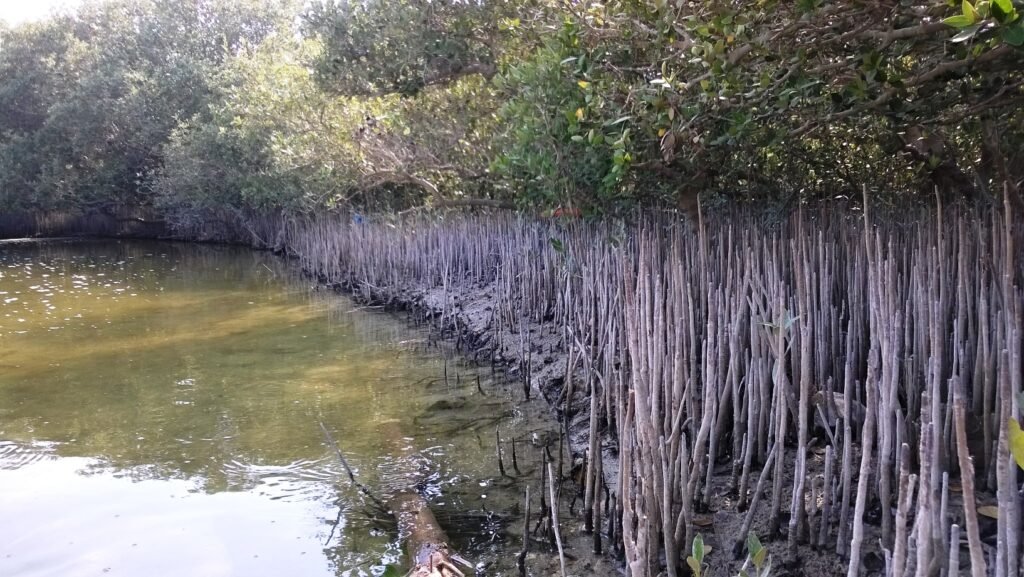
Own a business near Al Thakira Mangroves?
List it free on Companies in Qatar and get found by visitors and residents searching nearby.