

Al Zubarah Archaeological Site and Fort
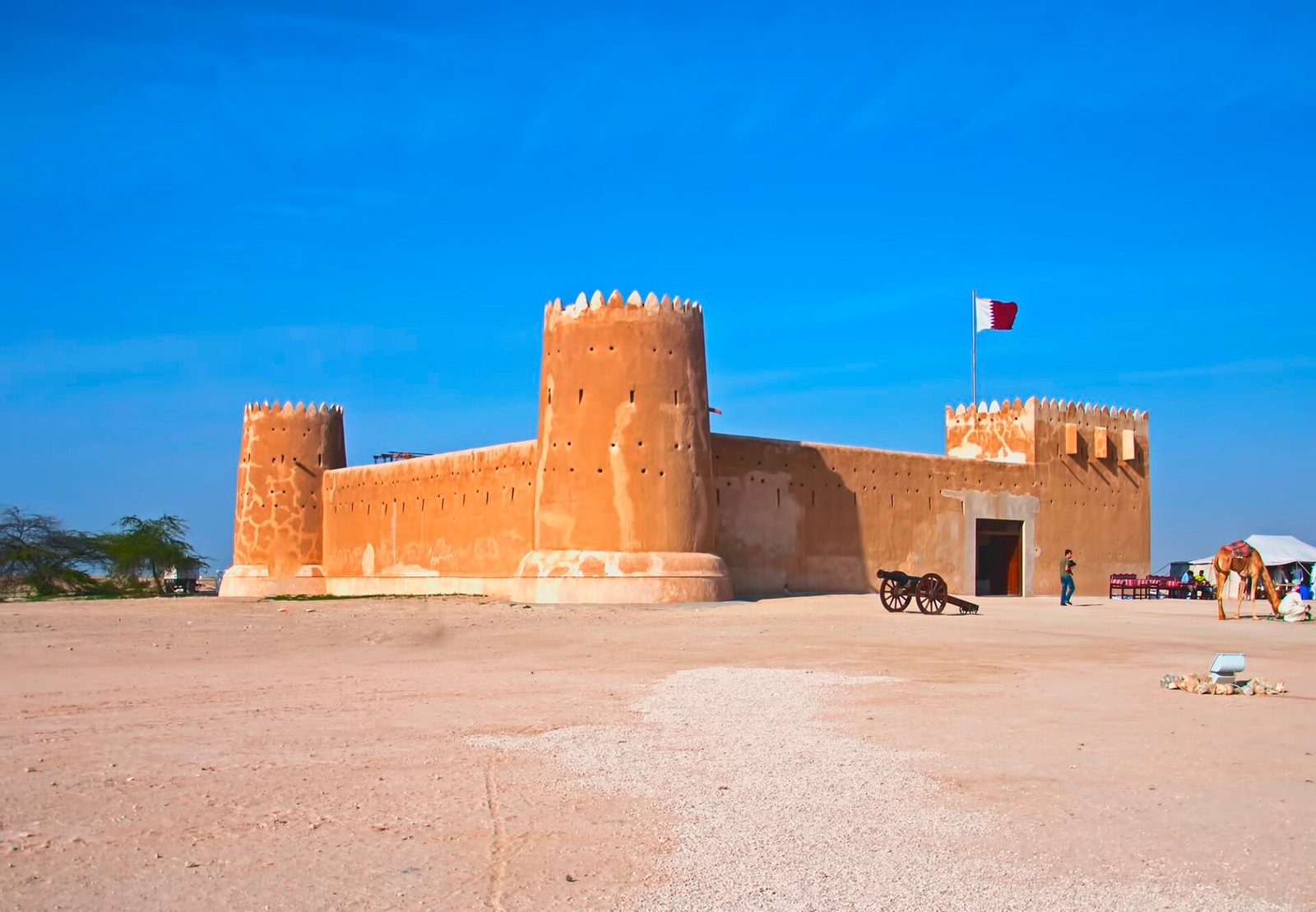
Qatar's only UNESCO World Heritage Site: the ruins of an 18th-century pearling and trading town on the north-west coast, next to a restored 1938 fort you can explore.
Al Shamal
Overview
Al Zubarah is a walled coastal town that thrived on pearls and trade in the 18th century, then was burned in 1811 and slowly abandoned. Its excavated streets, houses, mosques and market lie about 100 km north-west of Doha. Next to it stands Al Zubarah Fort, a square stone fort built in 1938 and now a small museum. Qatar Museums runs both, and one ticket covers the fort and the archaeological site.
Go for the sense of how people lived in Qatar before oil. The fort is easy to explore in under an hour, with towers you can climb and rooms that explain pearling, trade and daily life. A shuttle links the fort with the old town. The drive is long and the setting is open desert, so this is a half-day trip that works best on a cool morning between October and April.
History and background
Al Zubarah was founded in the mid-18th century, probably in the 1760s, by merchant families of the Bani Utbah who had moved down the Gulf from Kuwait. It grew fast into one of the main pearl-trading ports in the region, with links to India, Oman and Iraq. At its peak several thousand people lived inside its walls. A fort known as Qal'at Murair, completed in 1768, protected the town's water supply inland.
The town was attacked and burned in 1811. It was partly resettled later on a much smaller scale and was abandoned by the early 20th century. Sand then covered the ruins, which helped preserve them.
The present Al Zubarah Fort was built in 1938 under Sheikh Abdullah bin Jassim Al Thani, partly from stone taken from older ruins. It served as a coastguard or police post and was later turned into a museum. Excavations by Qatar Museums and the University of Copenhagen began in 2009, and UNESCO added the site to its World Heritage List in 2013.
What to see at Al Zubarah Archaeological Site / Fort
Al Zubarah Fort
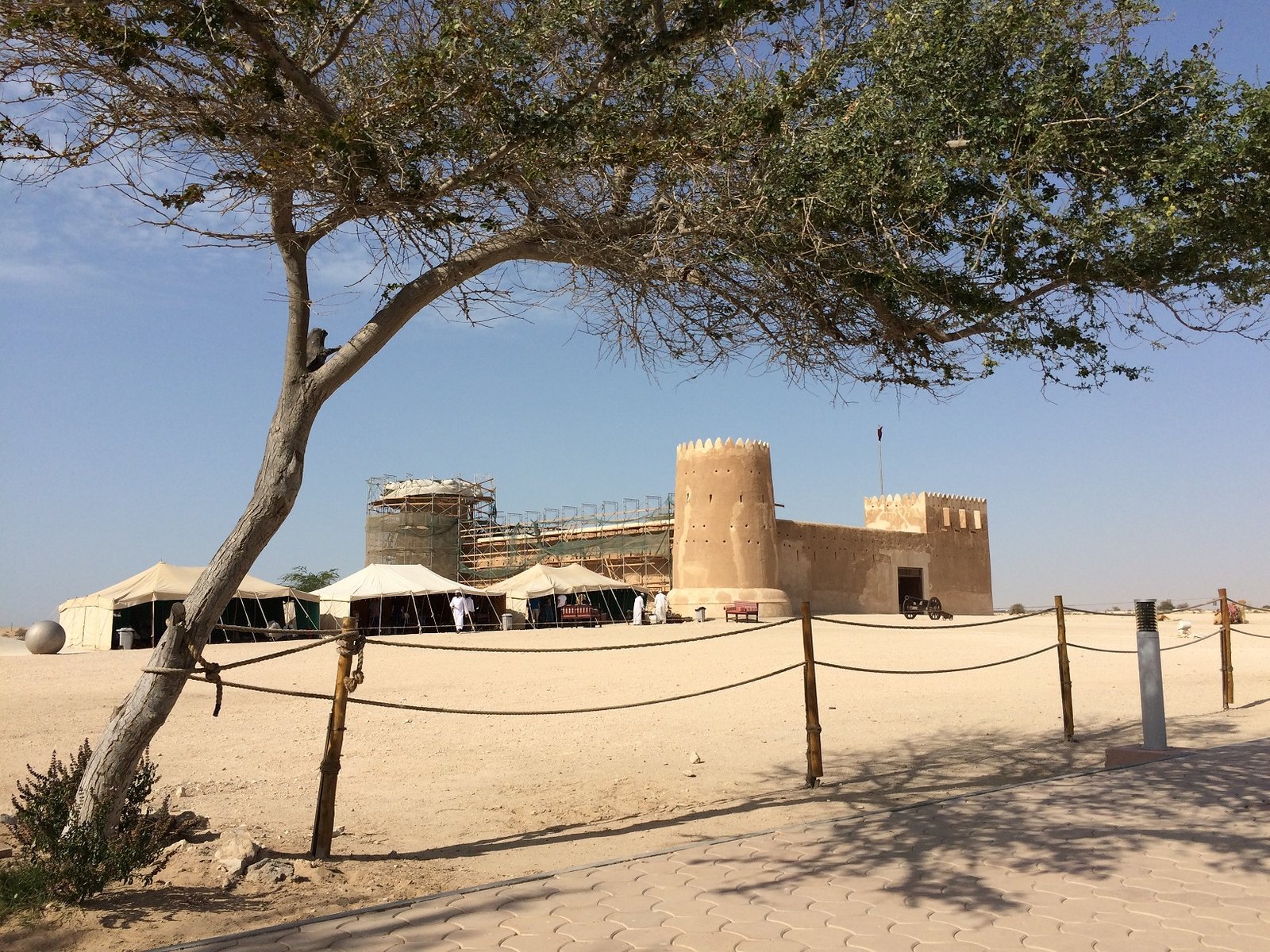
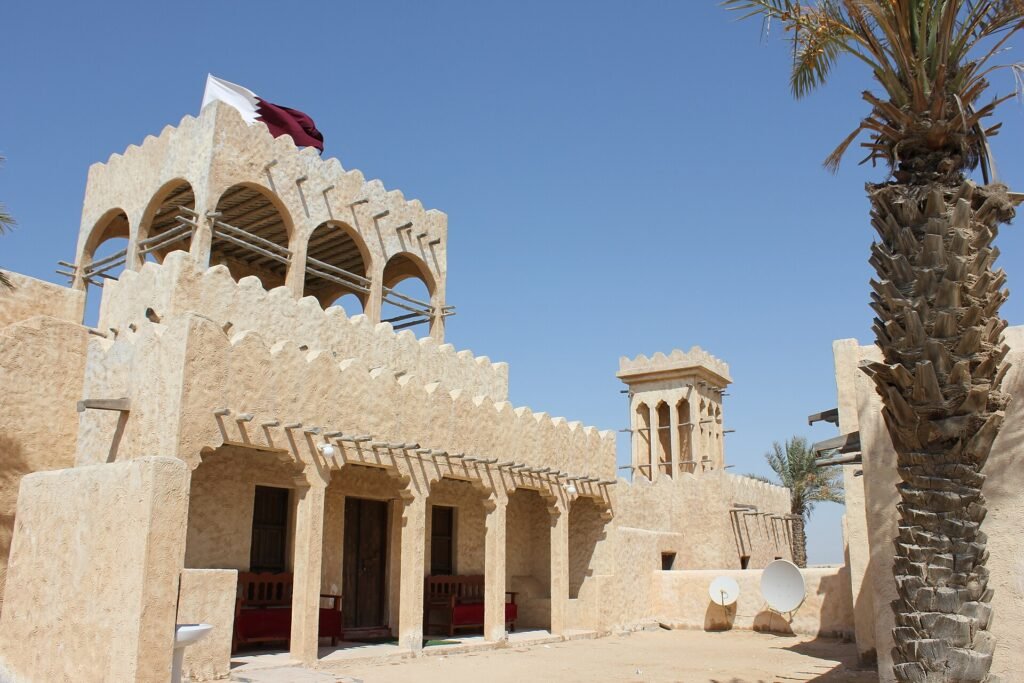
A square courtyard fort with thick coral-stone walls, three round towers and one rectangular tower. Walk the rooms that once housed soldiers and climb up for wide views over the flat desert toward the sea.
Exhibits inside the fort
The ground-floor rooms hold displays in Arabic and English on the excavations, pearl diving, trade and the local landscape. They are a good primer before you head out to the ruins.
The ruined town
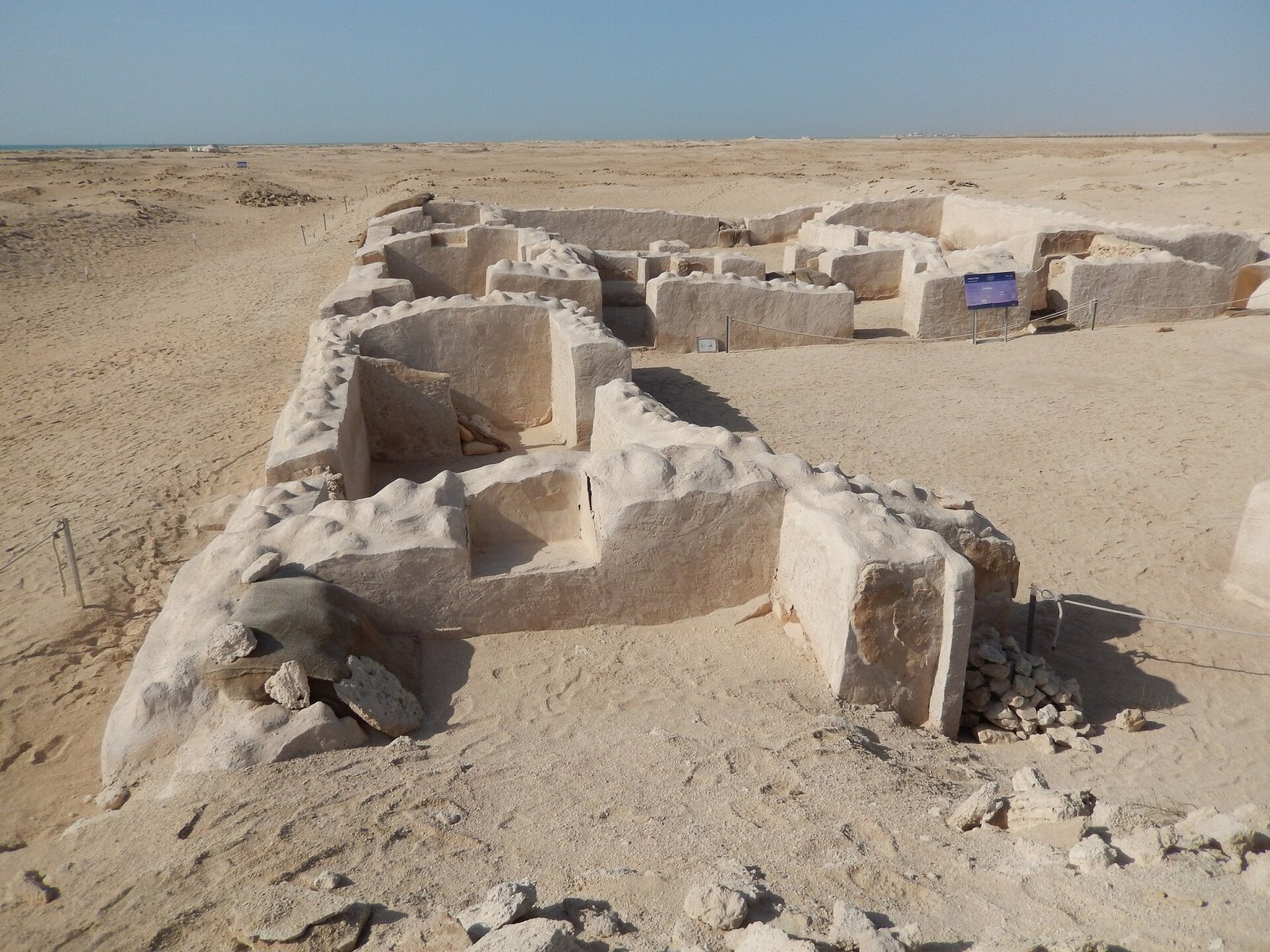
Excavated areas show the layout of a merchant town: courtyard houses, mosques, a market, date presses and fortified compounds. Much of the site has been reburied for protection, so the exposed parts are a sample of a much larger town.
The town wall
A defensive wall once ran about 2.5 km around the town down to the shore. Its line is still easy to trace on the ground and gives a sense of how large Al Zubarah was at its peak.
Qal'at Murair
Inland from the town lie the remains of Qal'at Murair, an 18th-century fort that guarded wells and linked to the town by walls. It shows how the settlement protected its fresh water.
Desert and coast views
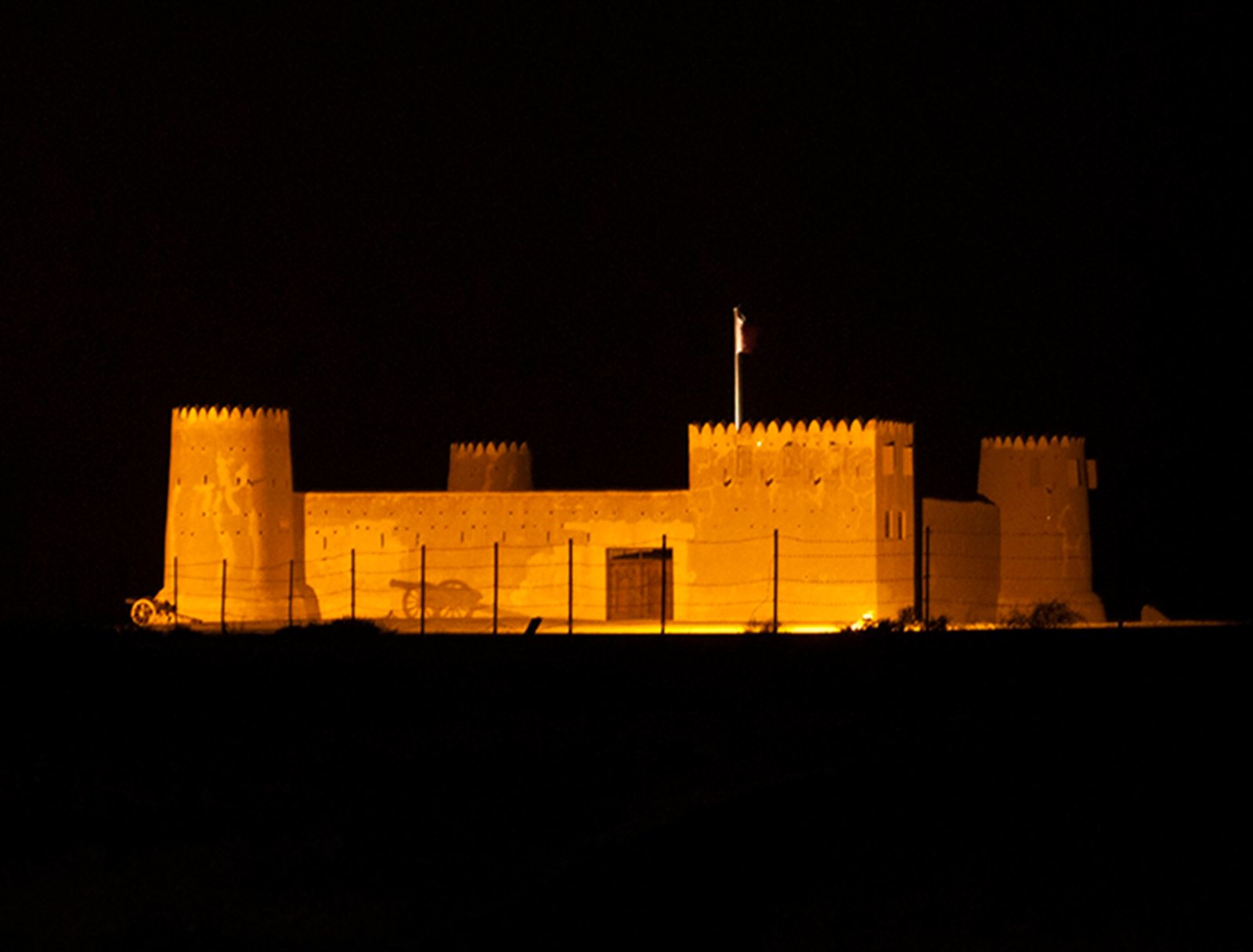
The flat, open setting is part of the appeal. Late afternoon light turns the fort walls golden and makes for strong photos, before closing time at 5pm.
How to get to Al Zubarah Archaeological Site / Fort
Tips for your visit
- Check the Qatar Museums website or booking page before you set off; the site can close at short notice.
- Friday opening is only from 12:30pm.
- Carry plenty of water, a hat and sunscreen; there is little shade at the ruins.
- Combine the visit with a drive along the north coast to make a full day out.
- Arrive by mid-afternoon so you have time for both the fort and the town before 5pm.
- Stay on marked paths and do not touch or climb the excavated walls.
- Bring snacks; there are no cafés on site.
Facilities
Frequently asked questions
Is Al Zubarah Fort free to visit?
Qatar Museums announced in 2023 that entry to its heritage sites, including Al Zubarah Fort, would be free for residents and non-residents. A ticket is still required and covers both the fort and the archaeological site. Check the official Qatar Museums booking page before you go, as rules can change.
What are Al Zubarah's opening hours?
Qatar Museums lists the site as open Saturday to Thursday from 9am to 5pm, and on Friday from 12:30pm to 5pm. Hours can change for holidays or events, and the site sometimes closes at short notice, so confirm on the official website on the day.
How far is Al Zubarah from Doha?
Al Zubarah is about 100 to 105 km north-west of Doha. By car the drive takes roughly 75 to 90 minutes on well-kept, straight roads. There is no metro or regular public transport to the site, so most people drive or join a tour.
Why is Al Zubarah a UNESCO World Heritage Site?
UNESCO inscribed Al Zubarah in 2013 as a well-preserved example of an 18th and 19th-century pearling and trading town in the Gulf. Its houses, mosques, market, walls and harbour remains show how coastal merchant towns worked before the oil era.
How long do you need at Al Zubarah?
Plan two to three hours on site: under an hour for the fort and its exhibits, and another hour or so for the town ruins using the shuttle. Add the return drive from Doha and it becomes a comfortable half-day trip.
Last checked September 2026. Hours and prices can change, so confirm on the official website before you go.
More places nearby
See all 32 places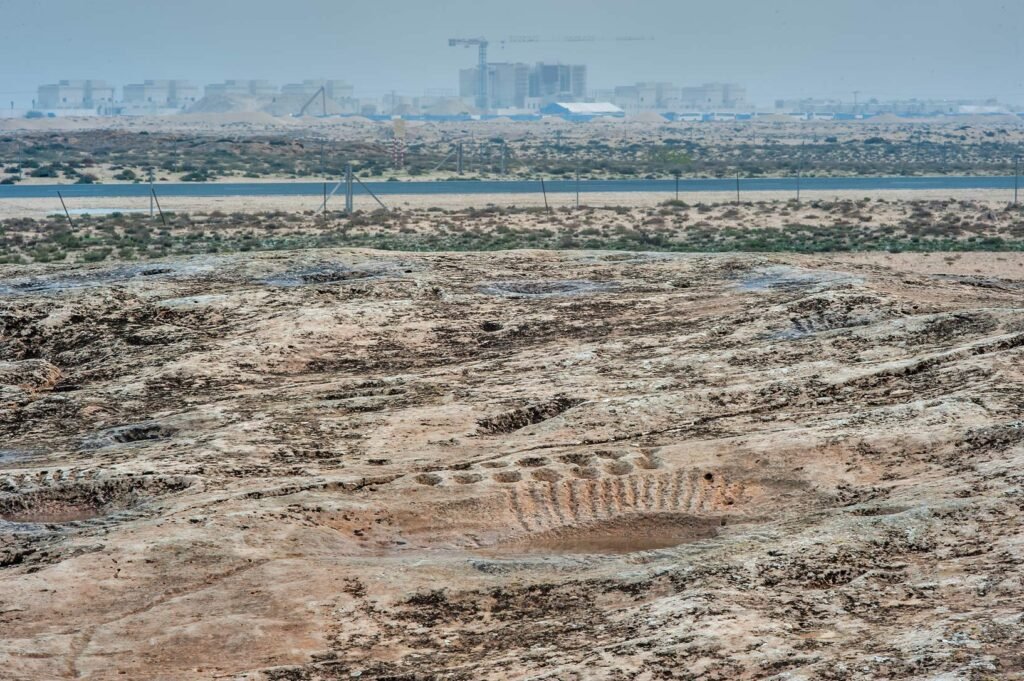
Own a business near Al Zubarah Archaeological Site / Fort?
List it free on Companies in Qatar and get found by visitors and residents searching nearby.