

Katara Cultural Village, Doha
Katara is a seafront cultural district on Doha's east coast. Walking around is free, and you can combine galleries, mosques, a Greek-style amphitheatre, a public beach and dozens of restaurants in one visit.
Katara, Doha
Overview
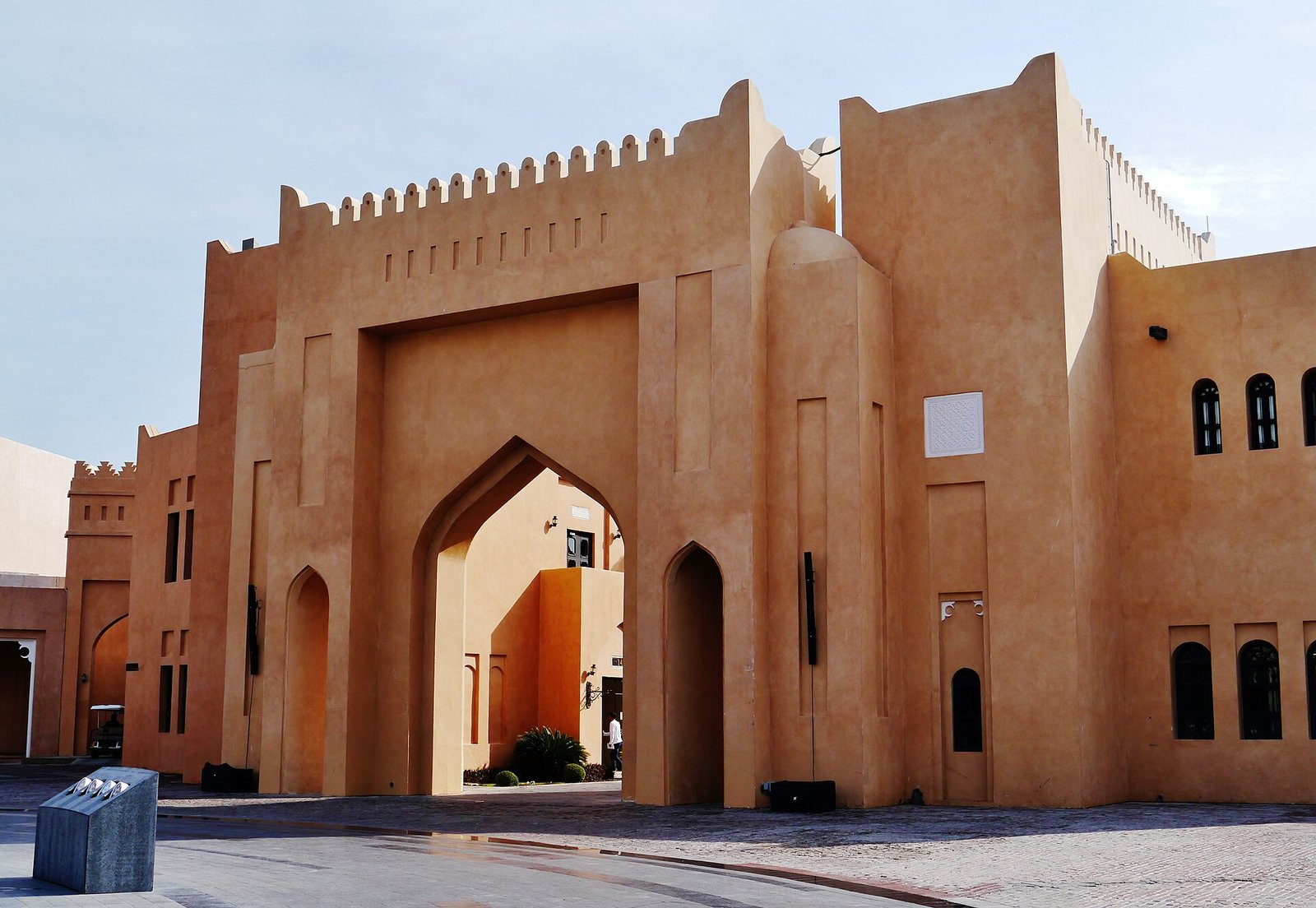
Katara Cultural Village sits on reclaimed land between West Bay and The Pearl. It was built to look like a traditional Qatari village, with low sand-coloured buildings, shaded lanes and small courtyards. Inside the district you will find theatres, an opera house, art galleries, a planetarium, two striking mosques and a long public beach. Most of the outdoor areas are open to everyone at no charge.
People come to Katara for different reasons. Some want the architecture and photo spots. Others come for a concert, a festival or an exhibition. Many simply walk along the beach at sunset and then eat at one of the Lebanese, Turkish, Egyptian or seafood restaurants. It is a relaxed place for families, couples and first-time visitors, and it is easy to reach by metro.
History and background
Katara was developed by the Qatari government as a home for the country's arts and heritage organisations. It was built on reclaimed land along the coast and had a soft opening in October 2010, when it hosted the Doha Tribeca Film Festival.
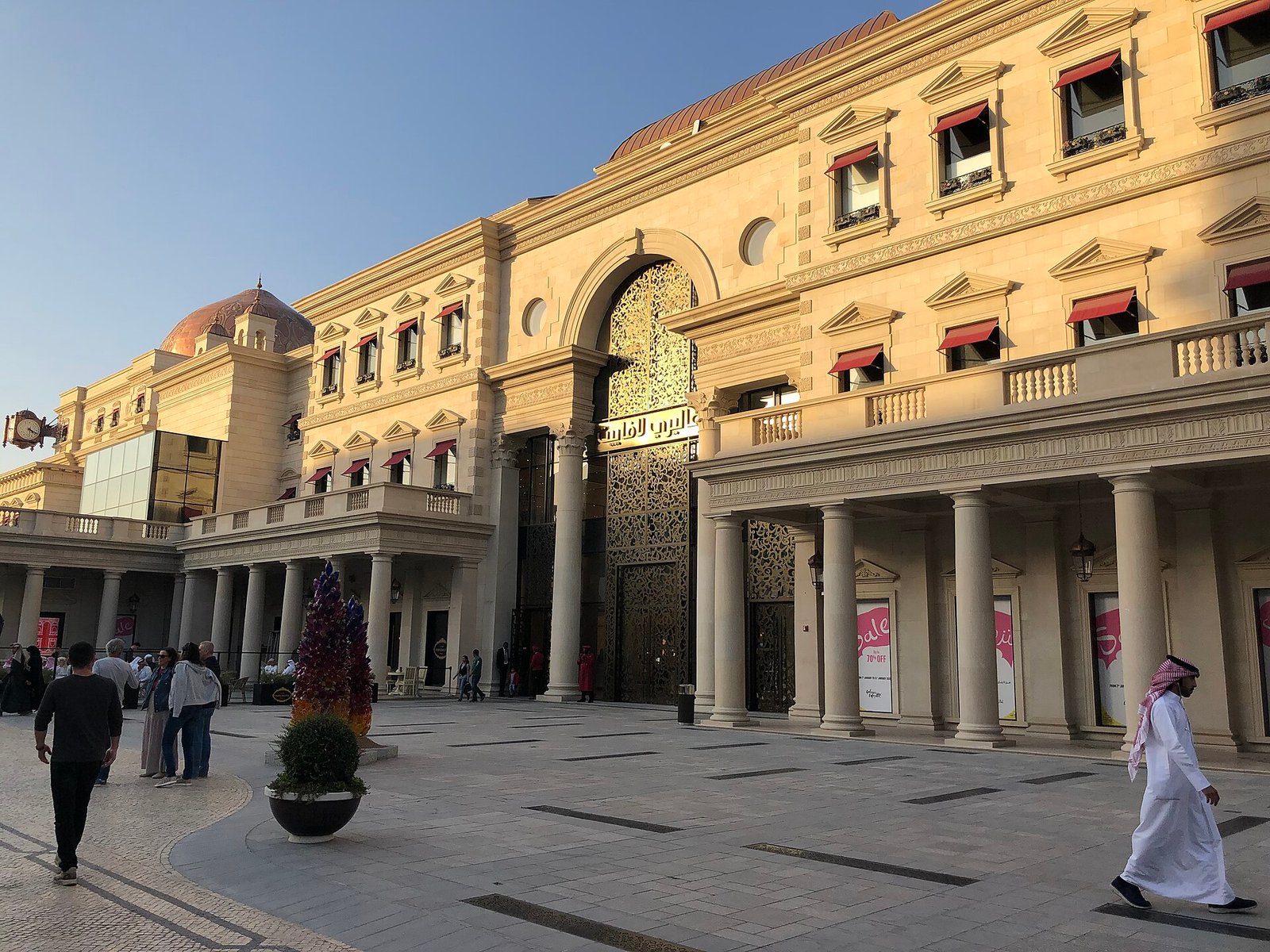
The design takes cues from traditional Qatari villages, but the district mixes in other influences. The amphitheatre follows a classical Greek layout with Islamic details. The main Katara Mosque, designed by Zeynep Fadıllıoğlu, is covered in blue and gold Persian and Turkish tilework. A smaller mosque nearby is clad in gold tiles.
Today the Cultural Village Foundation runs a busy calendar here. Regular events include the Traditional Dhow Festival, held every year since 2010, and the Katara Prize for Arabic Novel. The district has also hosted the Katara International Arabian Horse Festival and an Arab opera festival. In December 2019 the Doha Metro opened a dedicated Katara station, making the village much easier to visit.
What to see at Katara Cultural Village
Katara Amphitheatre
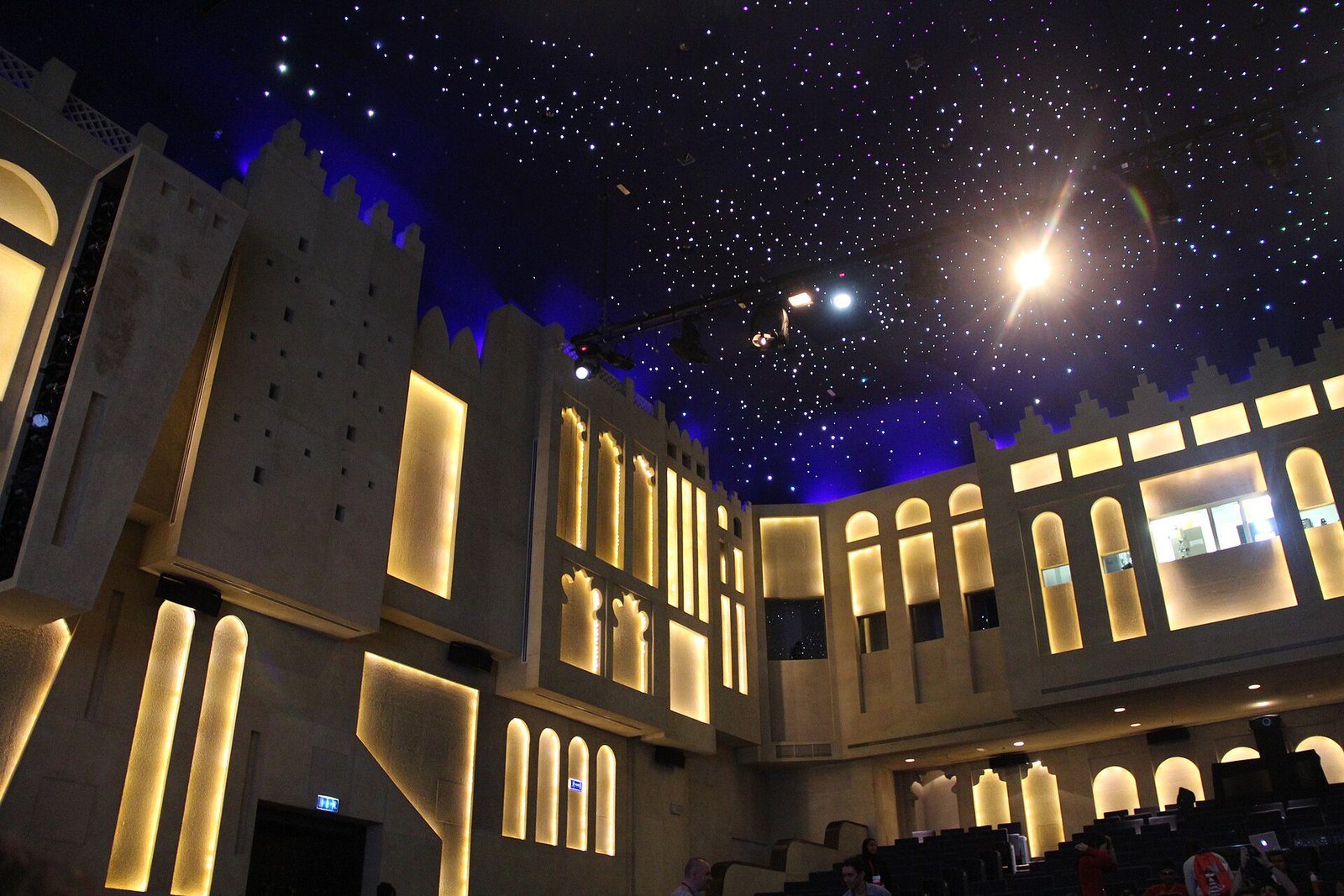
A large open-air marble amphitheatre with room for about 5,000 people and views towards the sea. It hosts concerts and festival shows, and you can walk in and look around when no event is on.
Katara Mosque and the Gold Mosque
The main mosque is known for its blue and gold tilework. The smaller Gold Mosque faces the amphitheatre. Both are popular with photographers, so visit outside prayer times and dress modestly.
Pigeon towers
Tall traditional pigeon towers, about 15 metres high, stand near the mosques. They are one of the most photographed spots in Katara, especially in the softer light before sunset.
Katara Beach
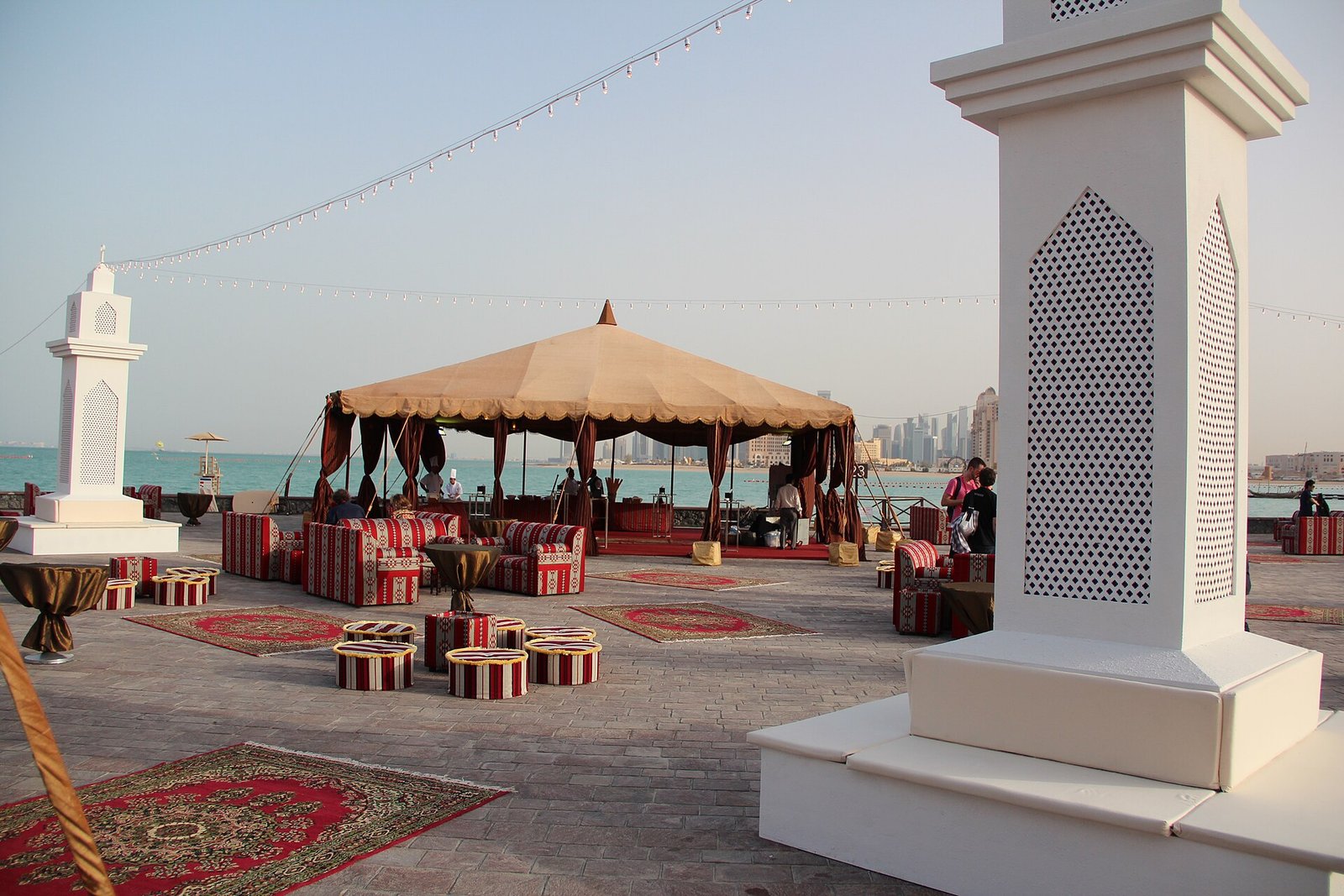
A 1.5 km public beach with family and general sections. You can swim, rent chairs and umbrellas, or book water sports such as kayaking and pedal boats. Adult entry costs a small fee.
Galleries and the planetarium
Several galleries show Qatari and international art, including the Katara Art Center. Al Thuraya Planetarium has a full-dome screen for up to 200 people. Check the programme for exhibition dates and screening times.
Opera House and theatres
The 550-seat Katara Opera House is used for orchestral and stage performances. Other halls host plays, film screenings and talks. Buy tickets in advance for popular shows.
Katara Hills and 21 High Street
Katara Hills are landscaped parks with walking paths and sunset viewpoints. 21 High Street is an outdoor shopping street with cooling systems, shops and restaurants.
How to get to Katara Cultural Village
Tips for your visit
- Come around an hour before sunset to see the mosques and pigeon towers in good light, then stay for dinner.
- Check the official events calendar before you go; many festivals and concerts are free to watch.
- Bring cash or a card for the beach entry fee and chair or umbrella rental.
- Wear comfortable shoes. The village is spread out and you will walk more than you expect.
- Beach hours change with the season. Summer 2026 hours started in the afternoon, so check before planning a morning swim.
- Avoid the midday heat from May to September; outdoor areas can be very hot.
Facilities
Frequently asked questions
Is Katara Cultural Village free to visit?
Yes. Walking around Katara's streets, plazas, hills and mosques is free, and many exhibitions are free too. You pay for Katara Beach entry (adults paid QR10 in summer 2026, with free entry for children under 15 and people over 60), ticketed shows, some workshops and water sports.
How do I get to Katara by metro?
Take the Doha Metro Red Line to Katara station. From there you can walk into the village. If you are coming from Souq Waqif or Msheireb, change to the Red Line at Msheireb station. The walk inside the village can be long, so plan your route to the part you want to see.
How long do you need at Katara?
Plan on two to four hours for a relaxed walk, photos at the mosques and pigeon towers, and a meal. If you want to use the beach, see a show or visit the planetarium, allow half a day or a full evening.
What are Katara Beach opening hours?
Beach hours change with the season. For summer 2026, Katara announced beach access from 3:30pm to 11pm daily, with swimming and water sports until sunset. Hours may differ in the cooler months, so check the official Katara website or social channels before you go.
What is the dress code at Katara?
Qatar's tourism authority recommends that men and women cover their shoulders and knees in public places. Dress conservatively if you plan to enter the mosques. Swimwear is for the beach area only, so bring a cover-up for walking around the rest of the village.
Last checked September 2026. Hours and prices can change, so confirm on the official website before you go.
More places nearby
See all 32 places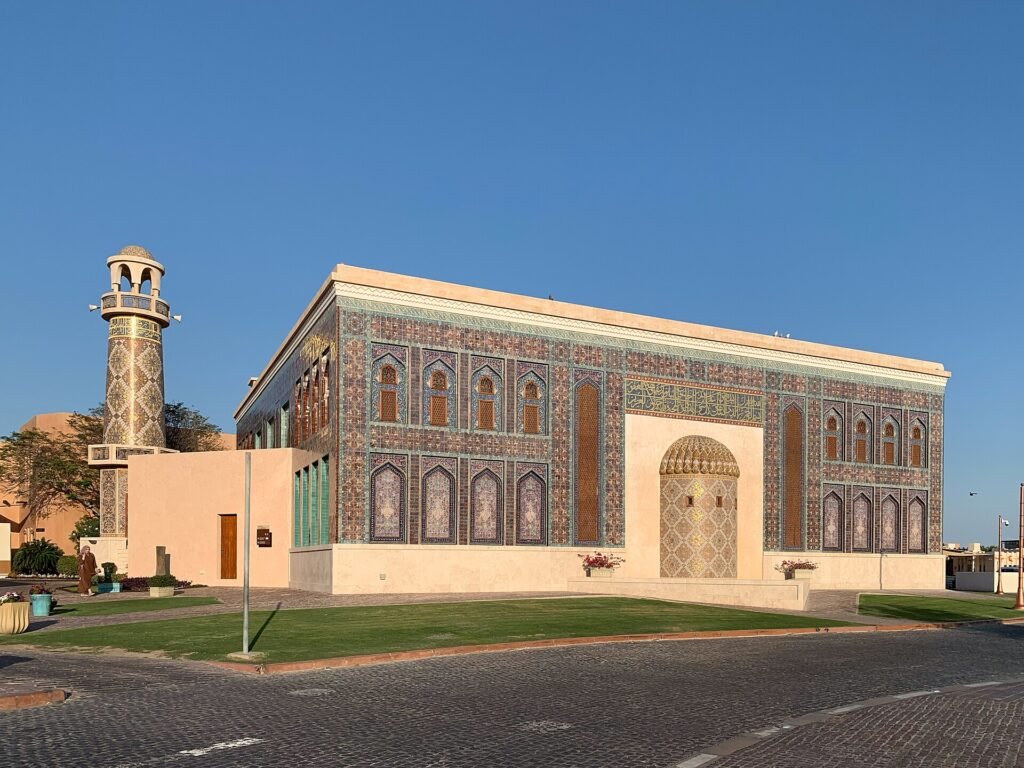
Own a business near Katara Cultural Village?
List it free on Companies in Qatar and get found by visitors and residents searching nearby.