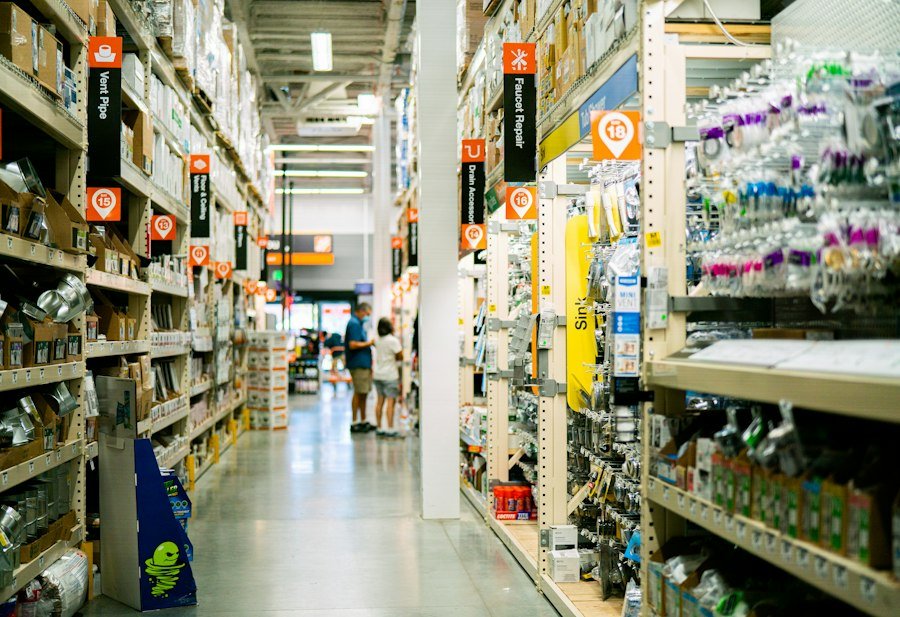
Supermarkets in Qatar range from huge hypermarkets with thousands of product lines to small neighbourhood stores open around the clock, and almost all of them now deliver through their own apps or through platforms such as Snoonu, Talabat Mart and Rafeeq. This guide explains the main chains and what each is known for, how online grocery ordering works, the rules on pork and alcohol, opening hour patterns, and practical ways to cut your weekly food bill. If you want to find a store near you right now, browse our directory of supermarkets in Qatar.
Hypermarkets vs neighbourhood supermarkets
Grocery shopping in Qatar falls into three broad formats, and most households use more than one.
- Hypermarkets: large stores, usually inside or next to malls, selling food alongside electronics, household goods and clothing. Good for a big weekly or monthly shop and bulk buying.
- Supermarkets and neighbourhood stores: smaller branches spread through residential areas, handy for bread, dairy and top-up shopping. Many are open late or 24 hours.
- Premium and speciality grocers: stores focused on imported, organic and gourmet products, often in The Pearl, West Bay and Lusail.
Small corner shops (often called baqalas) also exist in most neighbourhoods and will frequently deliver within the area by phone or WhatsApp.
The main supermarket chains in Qatar
Al Meera
Al Meera is the Qatari-owned chain most residents will encounter first, with branches across Doha and in towns outside the capital. Its strength is neighbourhood coverage: stores are small to mid-sized, focused on everyday essentials, fresh bread, dairy and local produce, and many carry a wide Arabic-label range. According to a report in The Peninsula in early 2026, Al Meera runs 15 branches around the clock, including Old Wakrah, Al Sailiya, Ain Khaled and Al Mansoura. It also offers online grocery delivery through its own website and app.
Lulu Hypermarket
Lulu is a large hypermarket chain with many branches in Qatar. It is widely known for competitive everyday pricing, a very strong South Asian and Asian range, and big fresh produce, meat and fish counters. The Peninsula reported 12 Lulu branches operating 24/7 at the time of writing, including D-Ring Road, Al Gharafa, Al Messila and Barwa City. Lulu runs the Happiness loyalty programme and has its own online store for Qatar.
Carrefour
Carrefour in Qatar is operated by Majid Al Futtaim. Its hypermarkets, mostly in malls, are known for fresh produce, deli and bakery counters, own-brand value lines and bulk packs. Several mall branches have been reported as open 24 hours. Carrefour sells online through its app and is also listed on third-party delivery apps.
Monoprix
Monoprix, the French brand, is operated in Qatar by Ali Bin Ali Holding, which brought it to the country in 2013. Stores include West Bay, Doha Festival City, Medina Centrale at The Pearl, Msheireb Downtown Doha, Aspire Zone and Place Vendome Mall in Lusail. It is the chain most associated with French and European imports, gourmet products and organic lines, and it has an online shop.
Family Food Centre and Safari
Family Food Centre is a long-established local chain with branches including Airport Road and Al Rayyan, plus its own online grocery store and app. Safari Hypermarket is another large hypermarket, with a well-known branch in Abu Hamour, popular with families doing a big shop.
Other names you will see
Mid-sized chains such as Mega Mart, Rawabi, Saudia and Souq Al Baladi also operate in Qatar, alongside many independent supermarkets. Ranges and prices vary by branch, so it is worth trying the stores closest to where you live before settling on a routine.
Quick comparison of the main chains
| Chain | Format | Known for | Online ordering |
|---|---|---|---|
| Al Meera | Neighbourhood supermarkets and some hypermarkets | Qatari-owned, wide coverage, many 24-hour branches | Own website and app |
| Lulu | Hypermarkets | Everyday value, South Asian and Asian range, fresh counters | Own online store |
| Carrefour | Hypermarkets, mainly in malls | Fresh food, own-brand value lines, bulk buying | Own app, also on delivery apps |
| Monoprix | Supermarkets and a large hypermarket in Lusail | French and European imports, gourmet, organic | Own online shop |
| Family Food Centre | Supermarkets | Long-established local chain | Own online store and app |
Online grocery ordering and delivery apps
Online grocery delivery in Qatar is well developed. You have two main routes.
Ordering direct from the chain
Al Meera, Lulu, Carrefour, Monoprix and Family Food Centre all run their own online stores or apps. Ordering direct usually gives you the full range, access to loyalty points and chain promotions, and scheduled delivery slots. It suits a larger planned shop.
Quick-commerce and multi-store apps
- Talabat Mart: Talabat’s own grocery service in Qatar, offering fresh produce, bakery, dairy and household items with fast delivery.
- Snoonu: a Qatari super app with a groceries section listing supermarkets and speciality shops. It was acquired in 2025 by Saudi delivery company Jahez, which bought a majority stake.
- Rafeeq: describes itself as a fully Qatari-owned super app, with grocery, pharmacy, flowers and restaurant delivery.
Delivery fees, minimum order values and delivery times on all of these apps depend on the store, your area and the time of day, and they change often. The apps only show them once you enter your location, so compare the total at checkout rather than relying on the headline price. Some stores offer free delivery above a minimum basket value.
Pork and alcohol rules
Pork and alcohol are not sold in ordinary supermarkets in Qatar. Both are available only through Qatar Distribution Company (QDC), and only to holders of a QDC permit.
- Who can apply: QDC permits are for non-Muslim residents holding a valid Qatar residence permit. Guides based on QDC’s rules mention a minimum age of 21, a minimum basic salary, a period of residence in Qatar and a refundable deposit. Reported salary thresholds differ between sources, so check the current criteria on the official QDC website (qdc.com.qa) before applying.
- Pork: pork is sold at QDC. Recent reporting describes two permit types: a liquor permit covering alcohol and pork, and a food-only permit for pork products without alcohol.
- Location and ordering: the main QDC store is in Abu Hamour. QDC has also offered online services such as click and collect and home delivery.
- Ramadan: QDC closes every year during Ramadan and reopens after Eid, so plan ahead.
Some supermarkets sell non-alcoholic beer and pork-free substitutes such as beef or turkey bacon, which are legal to sell in ordinary stores.
Opening hours: Fridays and Ramadan
Most large supermarkets and hypermarkets open seven days a week, usually from morning until late evening, and a growing number of branches are open 24 hours. Friday is a working day for shops, but expect quieter mornings, a busy afternoon and evening, and some smaller independent stores may close for a period around midday prayers.
During Ramadan, hours shift towards the evening, and stores are busiest just before iftar and late at night. The authorities have allowed hypermarkets to open round the clock during Ramadan in past years, and in early 2026 Al Meera and Lulu confirmed 24/7 operation at a number of branches. Specific branch hours change year to year, so check the chain’s app or social media before you go.
Loyalty programmes
Most big chains run free loyalty schemes, usually linked to a Qatar mobile number and managed through an app.
- Lulu Happiness: Lulu’s points programme, which the company reported had passed one million members in Qatar.
- Carrefour: an app-based scheme with digital coupons and member prices applied at checkout.
- Al Meera and Monoprix: both run regular member promotions and price-drop campaigns.
Points often expire if unused, so redeem them regularly rather than saving them up.
Ways to save money on groceries
- Shop the weekly offers. Hypermarkets publish promotions and catalogues every week. Build your meals around what is on offer.
- Buy fruit, vegetables and fish at a central market. Umm Salal Central Market is a large market with one of Qatar’s biggest fish markets, a produce yard selling vegetables, farm eggs and honey, a poultry section, and a dates market. There are also central markets in Al Wakrah and Al Sailiya. Prices are often lower than in supermarkets, especially when buying by the box.
- Look for local produce. Qatari-grown vegetables and dairy are usually cheaper than air-freighted imports and are clearly labelled in most stores.
- Try own-brand lines. Store brands at Carrefour, Lulu and others are often significantly cheaper than imported branded equivalents.
- Consolidate delivery orders. One larger order usually costs less in fees than several small quick-commerce orders.
- Compare branches. Large hypermarkets in areas such as Abu Hamour often have wider ranges and more bulk packs than small city-centre branches.
Specialist and ethnic groceries
Qatar’s large international population means you can find most cuisines if you know where to look.
- South Asian: Lulu and many independent supermarkets carry a very wide Indian, Pakistani, Sri Lankan and Bangladeshi range, including spices, rice varieties and lentils in bulk.
- Filipino, Korean and other East and Southeast Asian: dedicated stores such as Filipino and Korean food shops operate in Doha, and several are listed on Talabat and Snoonu for delivery.
- European and British: Monoprix has the strongest French and European range, while Carrefour and the imported sections of other hypermarkets carry many European brands, including British ones.
- Arabic and Levantine: Al Meera and independent Arab grocers stock regional brands, fresh bread, cheeses and olives.
- Organic and health foods: Monoprix and the organic aisles of the large hypermarkets are the easiest starting points, with independent health-food shops in the main residential areas.
If you live south of Doha, Al Wakrah has its own central market and a 24-hour Al Meera branch in Old Wakrah, so you rarely need to drive into the city for a weekly shop.
Quick checklist
- Find the nearest 24-hour supermarket to your home for late-night essentials.
- Download the app of the chain you use most and sign up for its loyalty programme.
- Install at least one delivery app (Talabat, Snoonu or Rafeeq) for quick top-ups.
- Compare delivery fees and minimums at checkout, not on the store listing.
- Visit a central market for fish, produce and dates in bulk.
- If you are an eligible non-Muslim resident who wants pork or alcohol, apply for a QDC permit and remember it closes during Ramadan.
- Check Ramadan and holiday opening hours on the chain’s app before travelling.
Just arrived? Our moving to Qatar checklist covers the other practical tasks for your first weeks, and you can find supermarkets and hypermarkets near you in our directory.
Frequently asked questions
Which supermarket chains operate in Qatar?
The main chains are Al Meera, Lulu Hypermarket, Carrefour, Monoprix, Family Food Centre and Safari, alongside mid-sized chains such as Mega Mart, Rawabi and Saudia and many independent supermarkets.
Can I buy pork in a normal supermarket in Qatar?
No. Pork is sold only through Qatar Distribution Company (QDC) to permit holders. QDC is open only to eligible non-Muslim residents, and it closes during Ramadan.
Are supermarkets in Qatar open 24 hours?
Many are. At the time of writing, Al Meera had 15 branches and Lulu 12 branches reported as open 24/7, and some Carrefour mall branches are also open around the clock. Check the chain’s app for your nearest branch.
What is the fastest way to get groceries delivered in Qatar?
Quick-commerce services on apps such as Talabat Mart, Snoonu and Rafeeq are usually the fastest for small orders. For a larger planned shop, ordering directly from a chain’s app with a delivery slot is often better value.
Where can I buy cheaper fish and vegetables in Qatar?
Central markets such as Umm Salal Central Market, which has one of the country’s largest fish markets and a produce yard, often offer lower prices than supermarkets, especially when buying in larger quantities.